
In montagna
ti rapirò
“Before leaving for the mountains, we had seen a poster that said “Amidst the peaks I’ll bear you away.” This struck us, also because we knew, or maybe we found out later, that sometimes the Lord draws attention to what he is doing with some external signs. Sure enough, up there in the mountains, the Lord did bear us away.” (Chiara Lubich)

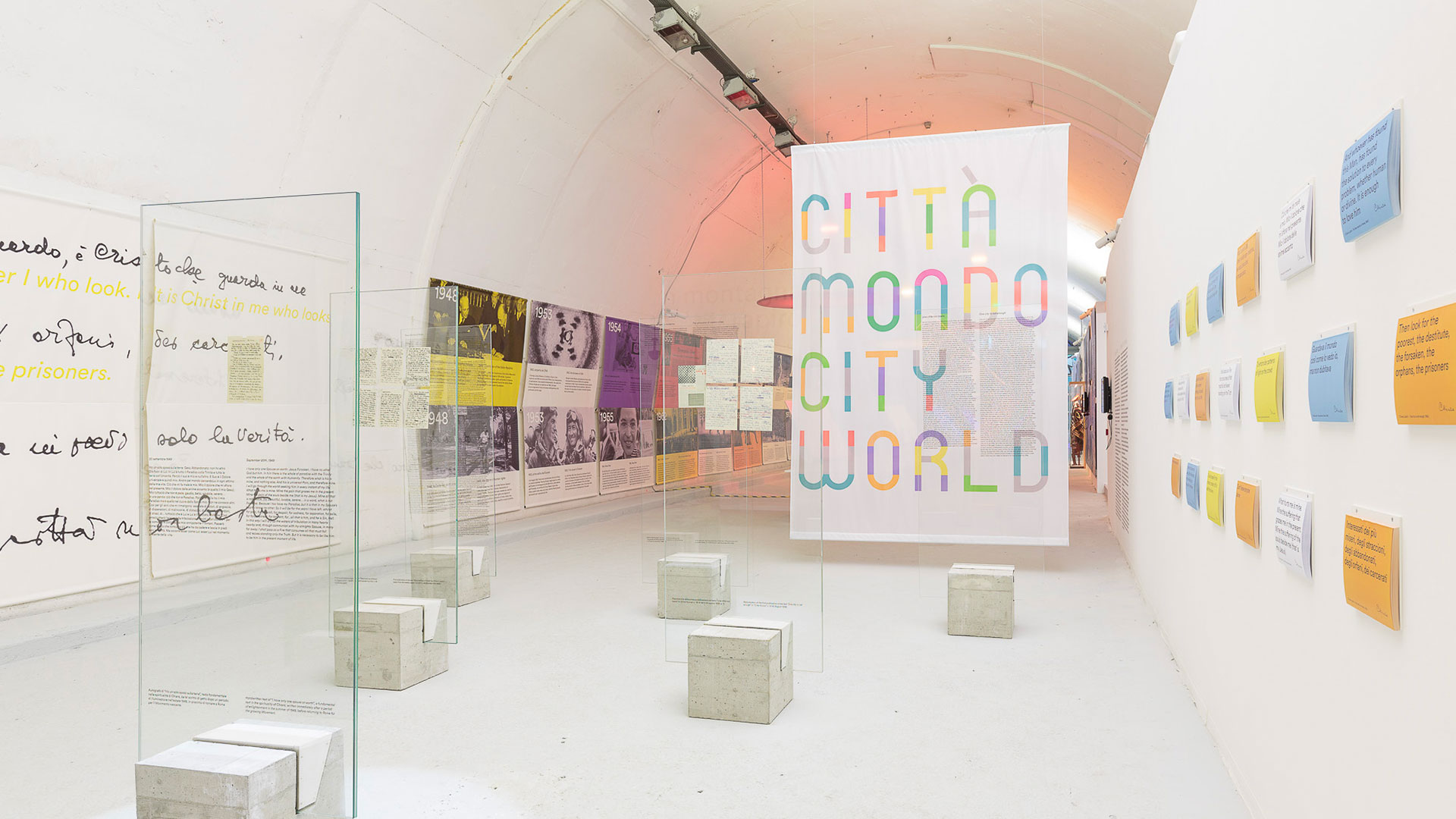
The war was over and the whole world was facing the challenge of reconstruction. In the referendum of June 2nd, 1946, Italy chose to become a Democratic Republic, acquiring a Constitution that established fundamental principles and rules that enabled the country to grow and progress. Years of economic boom followed, in which Rome was seen as the capital of the “dolce vita”. However, many people migrated out of the Trent region and the “shame of Italy” was discovered in and represented by the poverty found in the Sassi of Matera. There was also the emergence of new lifestyles and of consumerism.
In 1948 Chiara moved to Rome. An intense period began, of journeys and new encounters, in an environment very different from that of her own city. On 17th September of the same year, she met Igino Giordani, a Member of Parliament. “I was sure – he said – that I would hear sentimental propaganda about a better world. Instead, it was not at all so… Suddenly my curiosity was aroused and a fire began to blaze within me. After half an hour, when she had finished speaking, I was immersed in an enchanted atmosphere, a cloud of light and happiness. I would have wished the voice to continue. It was the voice that, without realizing it, I had been waiting for. It put holiness within everyone’s reach.”
Igino Giordani (1894 - 1980) was an ltalian, writer, journalist and politician. He worked in the Popular Party founded by Don Sturzo and was employed at the Vatican Apostolic Library, in the fields of biblical, patristic and social doctrine studies. He also took part in the anti-fascist struggle. In 1946 he was elected to the Constituent Assembly and in 1948 as a Member of Parliament in the ranks of the Christian Democrat Party. In Parliament he distinguished himself for his commitment to peace and social justice. On 17th September 1948, in Montecitorio, he met Chiara Lubich and from that time on shared the ideals of the Focolare.
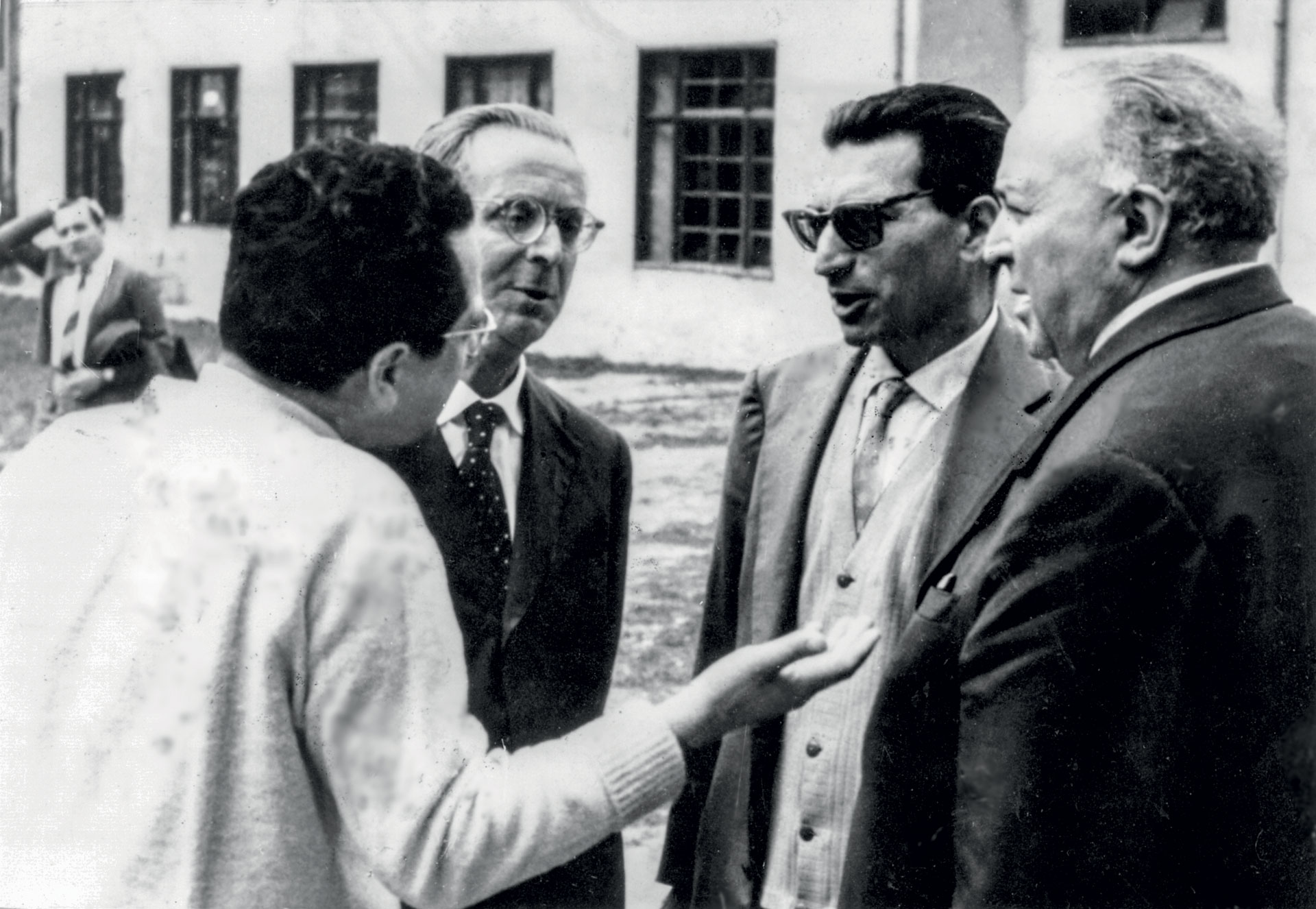
Igino Giordani with some fellow Members of Parliament (c. 1950).
On July 16th, 1949 Giordani joined Chiara who was staying in the Primiero Valley for a period of rest. It was a summer of Light, and a number of writings remain that testify to the heavenly reality they experienced, that was both personal and communitarian. Flowing from this experience was the charismatic newness that gave rise to a new Work in the Church. If living a life guided by the gospel characterized the early days of the nascent Movement, 1949 marked the beginning of an enlightening period, but, “We did not cease living”, - as Chiara herself recounts - living with intensity, amid our jobs about the house, the reality that we were, living the Word of life”.
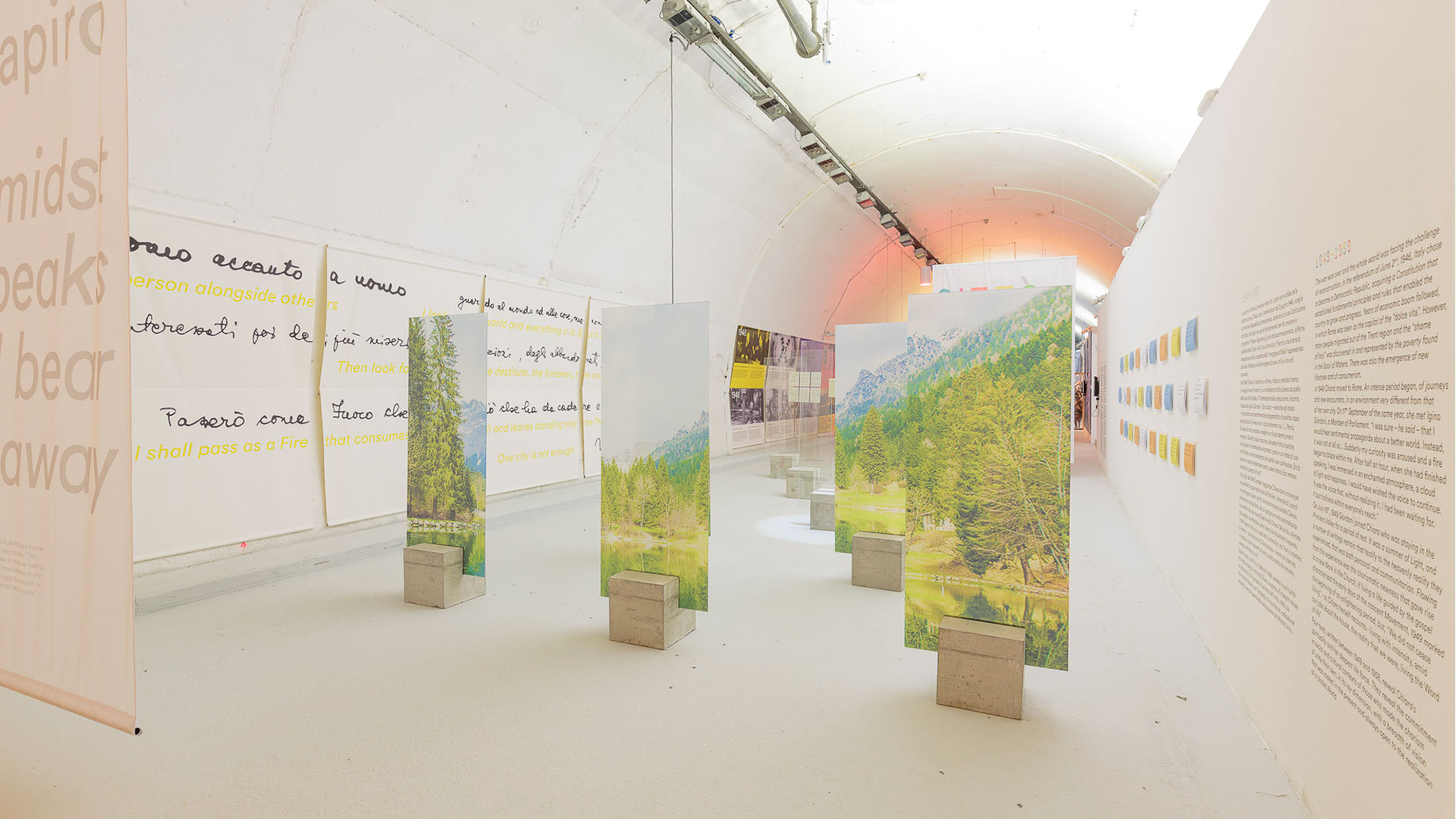
."صورة لِ "دومنيكو سالماسو
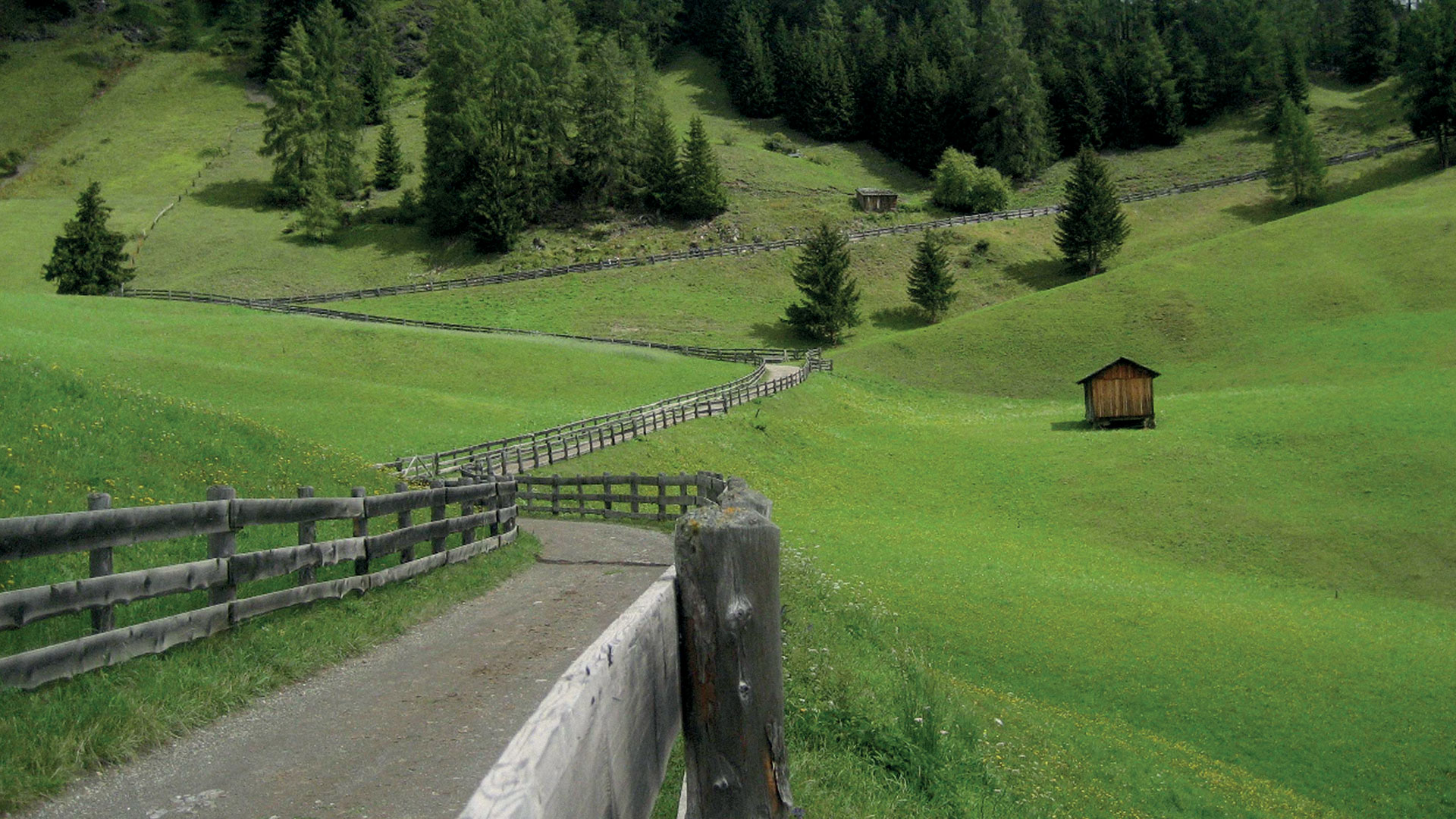
“I recall that during those days, nature seemed to me to be enveloped totally by the sun; it already was physically so, but it seemed to me that an even stronger sun enveloped it, saturated it, so that nature seemed to me to be all ‘in love’. I saw everything, the rivers, the plants, the fields, the grasses, all linked together by a bond of love in which each was motivated by love for the others.” (Chiara Lubich)
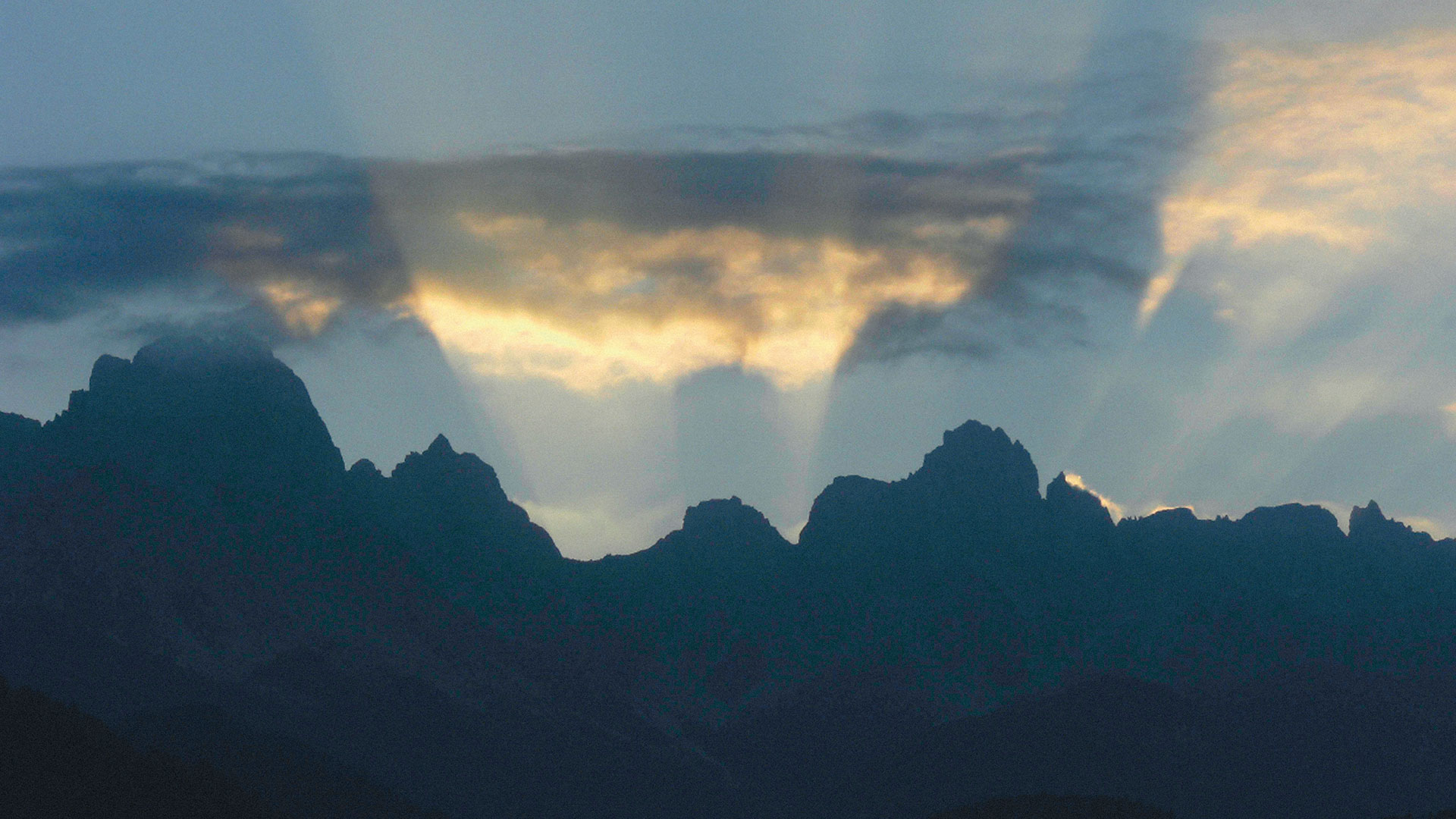
."صورة لِ "دومنيكو سالماسو
“The Word of God, splendour of the Father.”
(Chiara Lubich)

."صورة لِ "دومنيكو سالماسو
“[things] were all linked among themselves by love, all, so to speak, in love with one another. So if the stream flowed into the lake, it was for love. If one pine tree rose beside another, it was for love.” (Chiara Lubich)
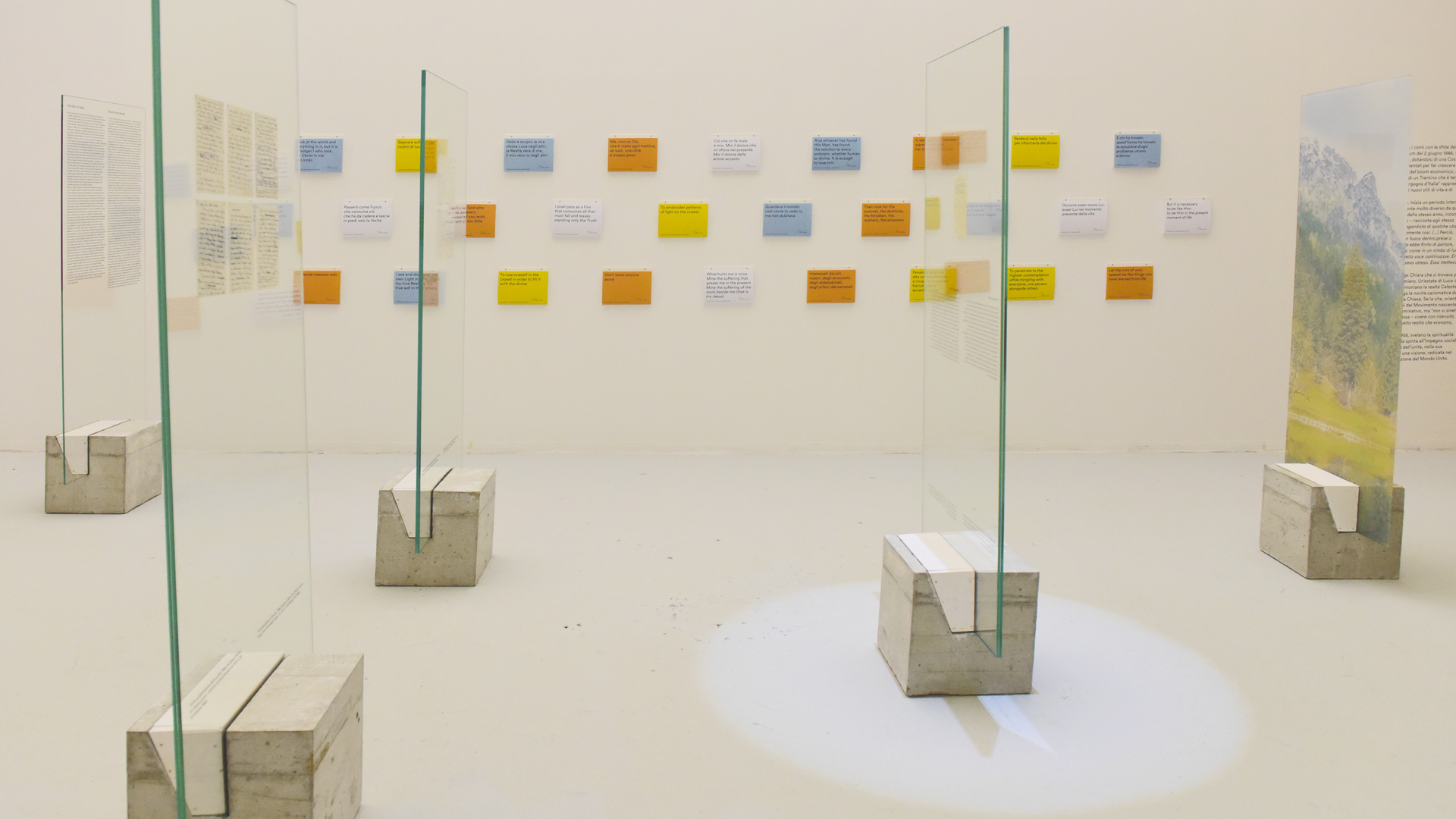
Four texts, written between 1949 and 1958, reveal Chiara’s spirituality and her deepest life force. They reveal the commitment in social and cultural contexts of those who made the charism of unity their own, in its lay dimension, with a breadth of vision that was rooted in the present and always open to the realization of a United World.
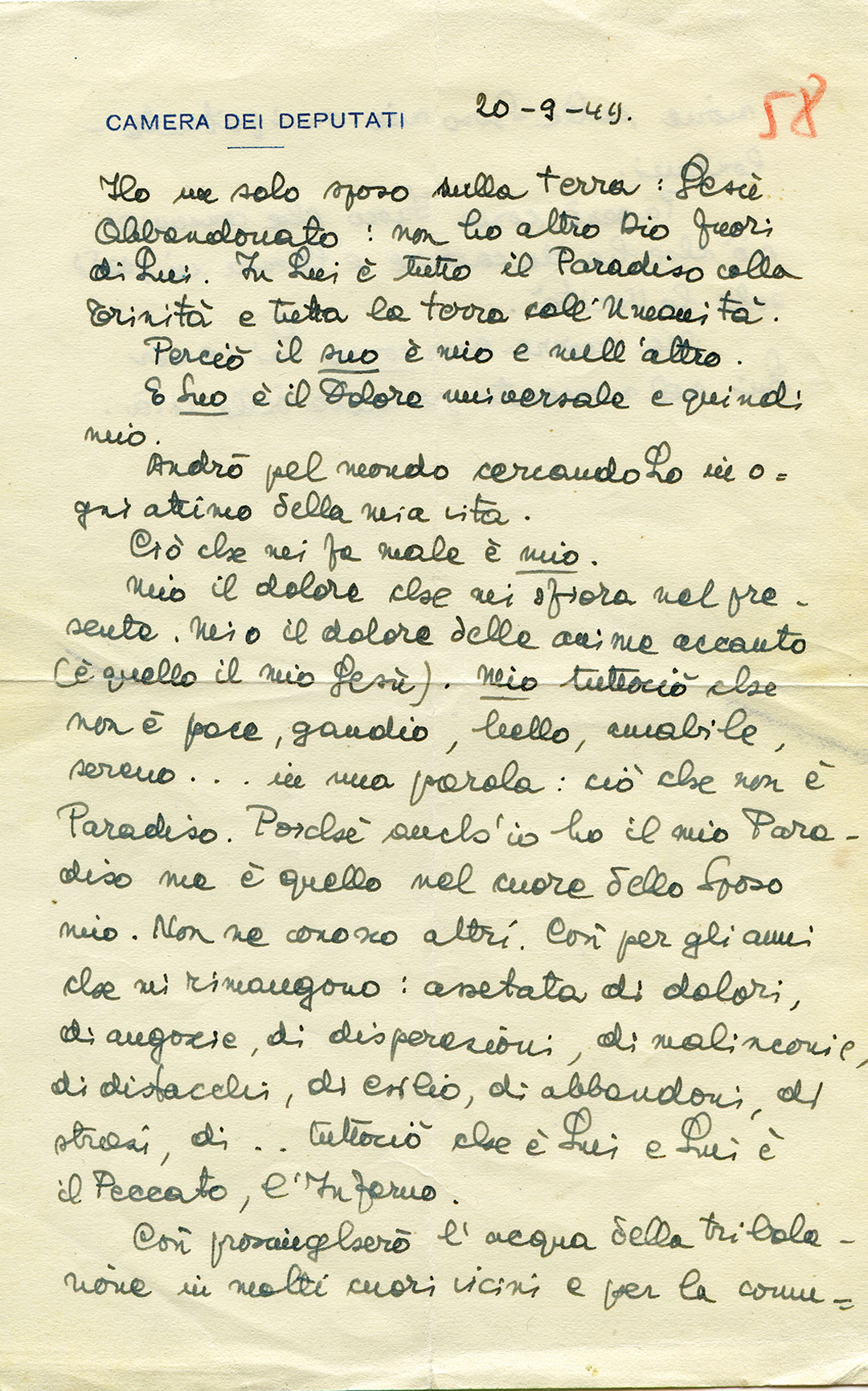
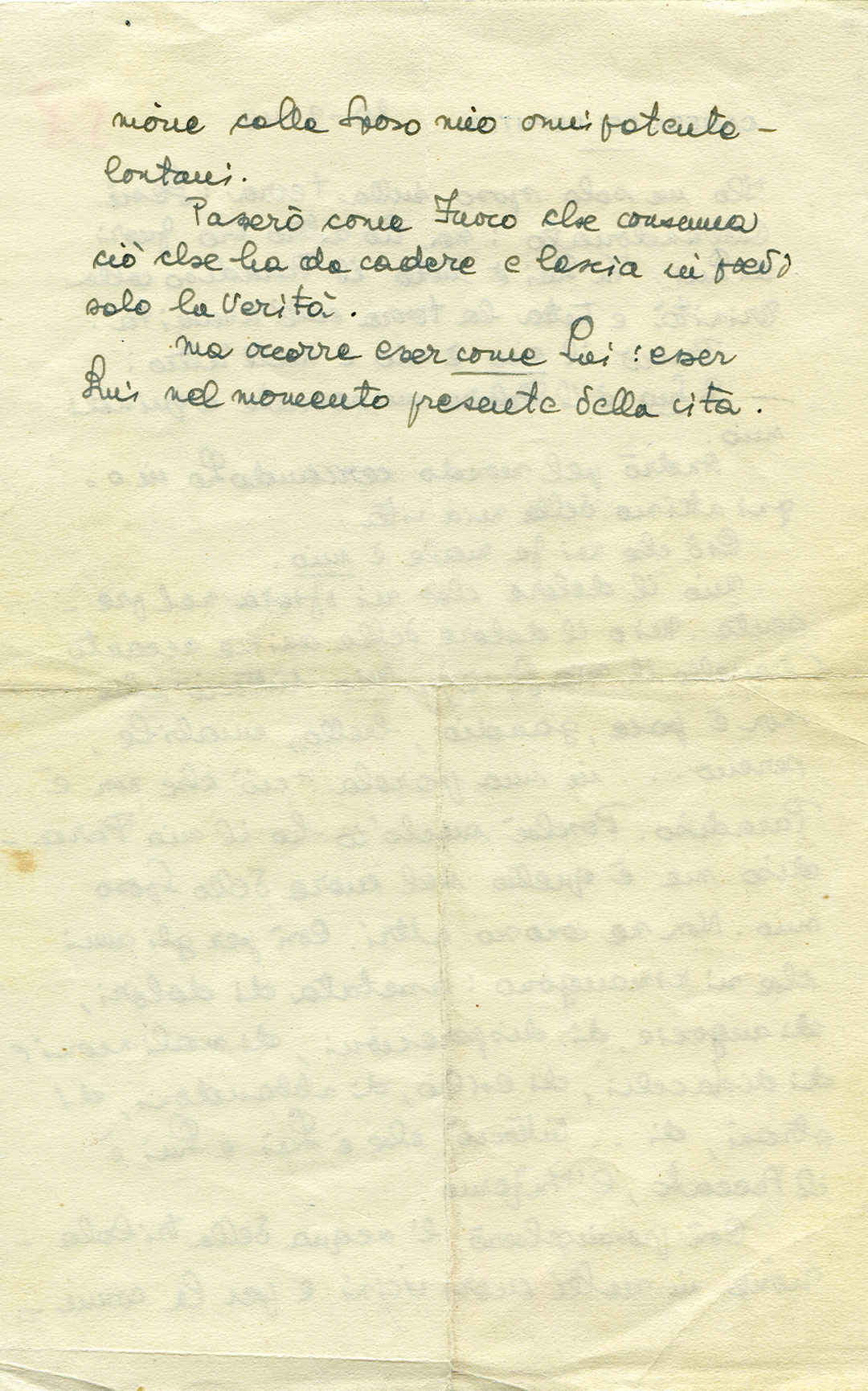
Handwritten text of “I have only one spouse on earth”, a fundamental text in the spirituality of Chiara, written immediately after a period of enlightenment in the summer of 1949, before returning to Rome for the growing Movement.
CHIARA LUBICH ®
September 20th, 1949
I have only one Spouse on earth: Jesus Forsaken. I have no other God but him. In him there is the whole of paradise with the Trinity and the whole of the earth with Humanity. Therefore what is his is mine, and nothing else. And his is universal Pain, and therefore mine. I will go through the world seeking him in every instant of my life. What hurts me is mine. Mine the pain that grazes me in the present. Mine the pain of the souls beside me (that is my Jesus). Mine all that is not peace, joy, beautiful, lovable, serene… in a word, what is not Paradise. Because I too have my Paradise, but it is that in my Spouse’s heart. I know no other. So it will be for the years I have left: athirst for pain, for anguish, for despair, for sadness, for separation, for exile, for forsakenness, for torment, for…all that is him, and he is Sin, Hell. In this way I will dry up the waters of tribulation in many hearts nearby and, through communion with my almighty Spouse, in many far away. I shall pass as a Fire that consumes all that must fall and leaves standing only the Truth. But it is necessary to be like him: to be him in the present moment of life.


.3 الإصدار الأول من النص "مدينة واحدة لا تكفي" في "المدينة الجديدة" رقم 15 – 16 من 5 – 20 آب 1958، صفحة
CHIARA LUBICH ®

.8 في النافذة رمادية اللون: الإصدار الأول من العمل الكتابي "رائعة العصر الحديث" ، في "المدينة الجديدة" رقم 22 من 20 تشرين الثاني 1958، صفحة
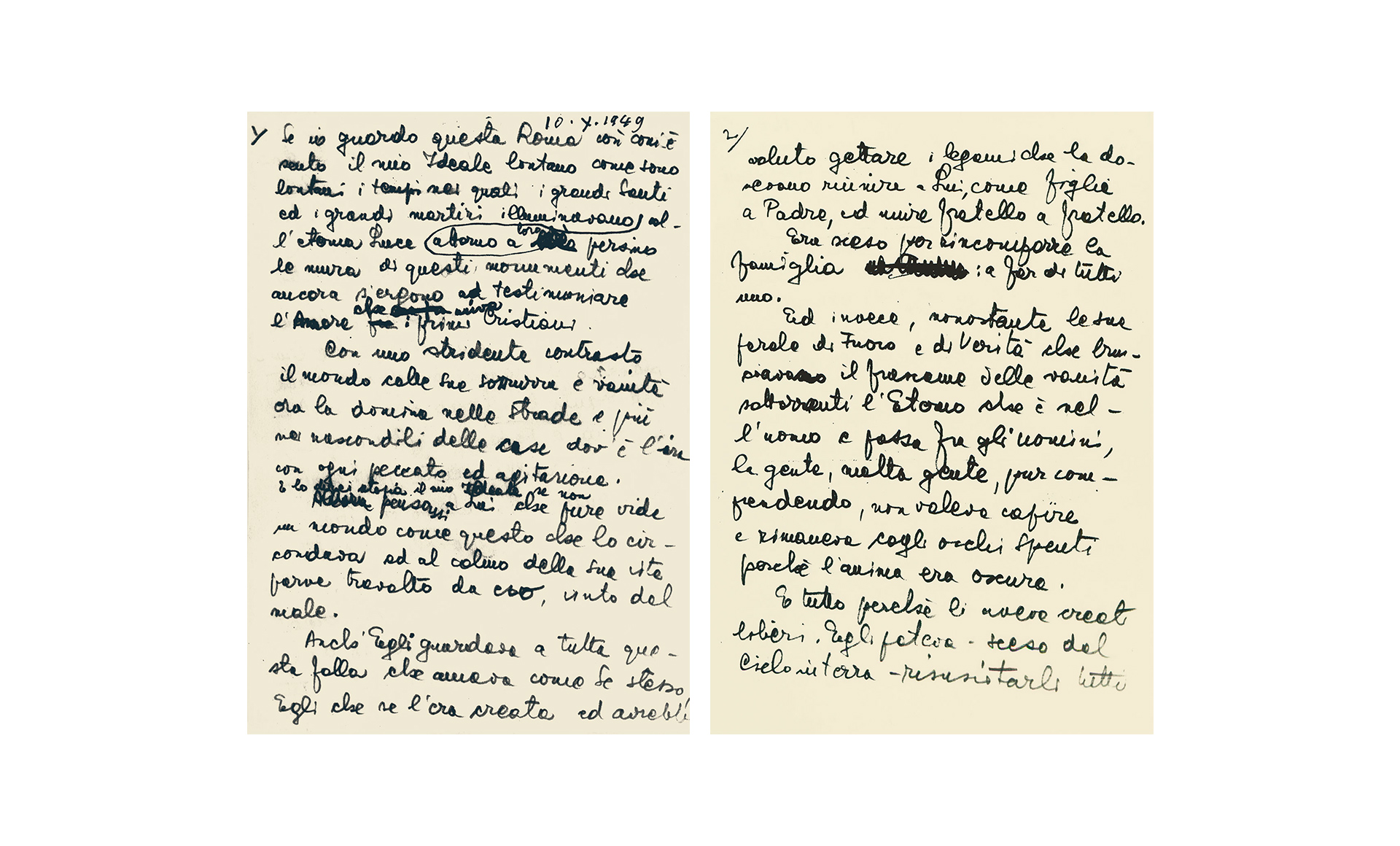


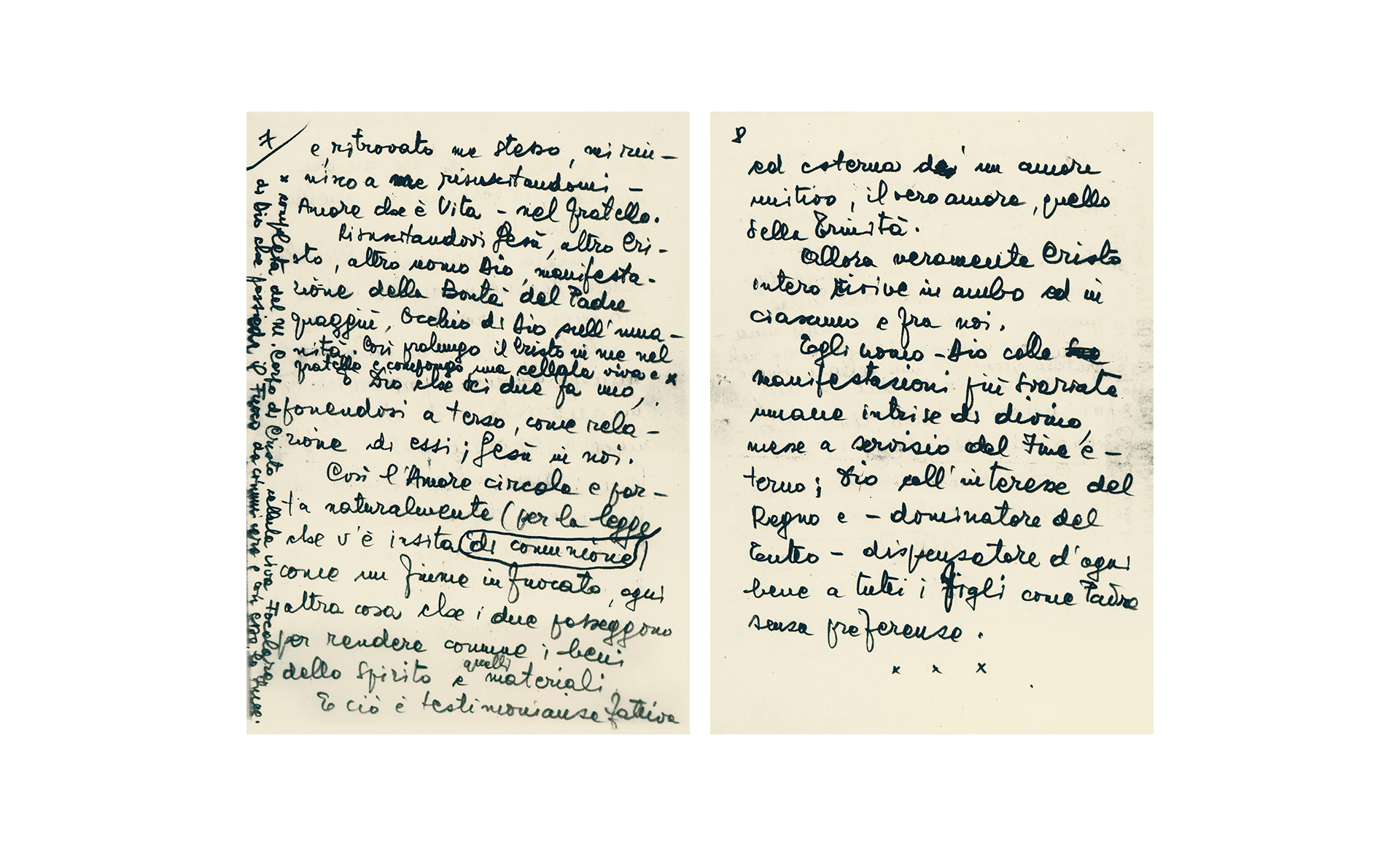
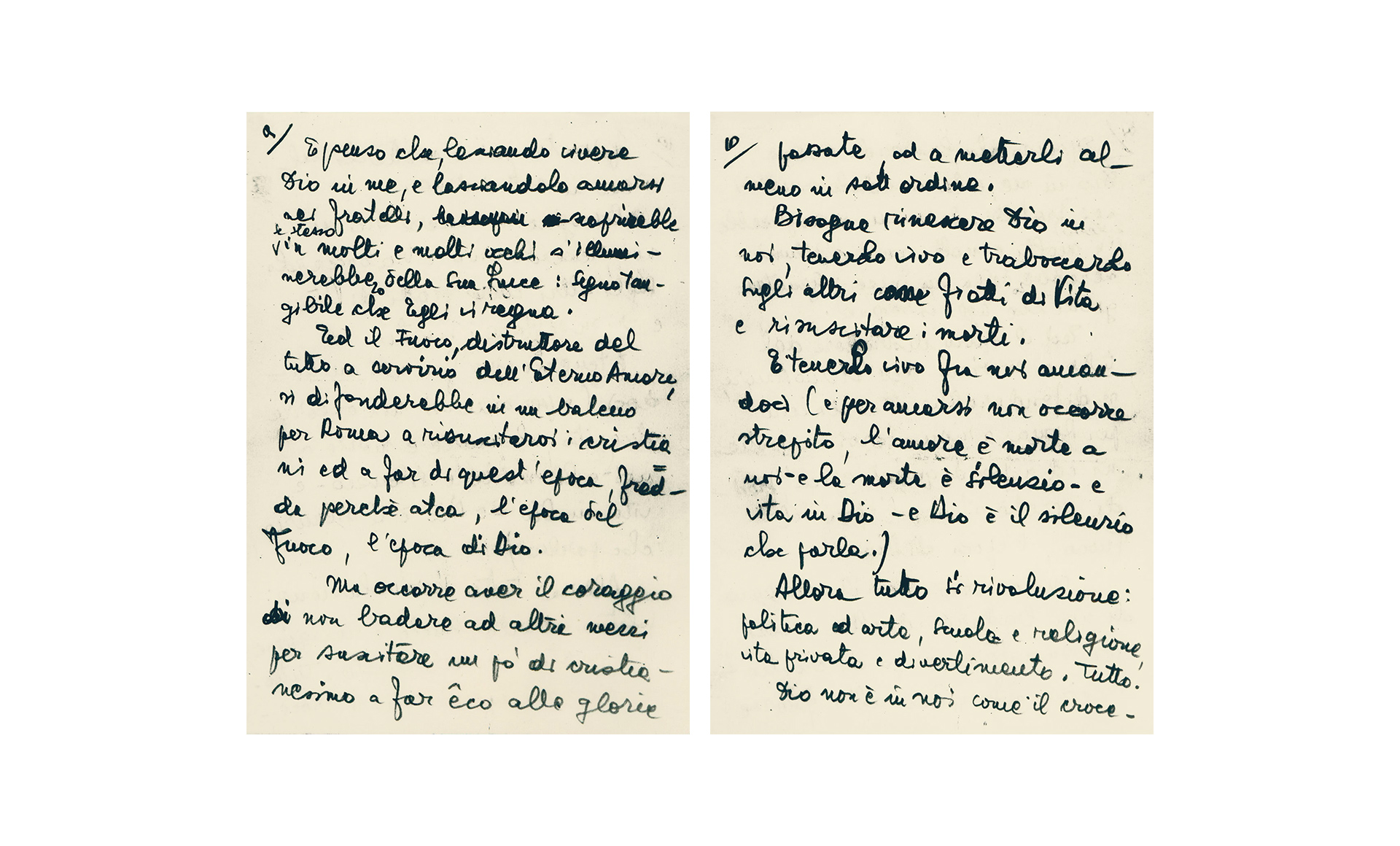

(1949 الإصدار الأول للنص "قيامة روما" لِكيارا لوبيك – مأخوذ من أسبوعية "لا فيا" رقم 36 (10 تشرين الأول
CHIARA LUBICH ®


After the summer of “Light” experienced in 1949, for a further ten years people of every vocation and background, and of different cultures and origins continued to gather in the Primiero Valley. Little by little, during those summers, a temporary city or little town was formed, which was called Mariapolis, the city of Mary.
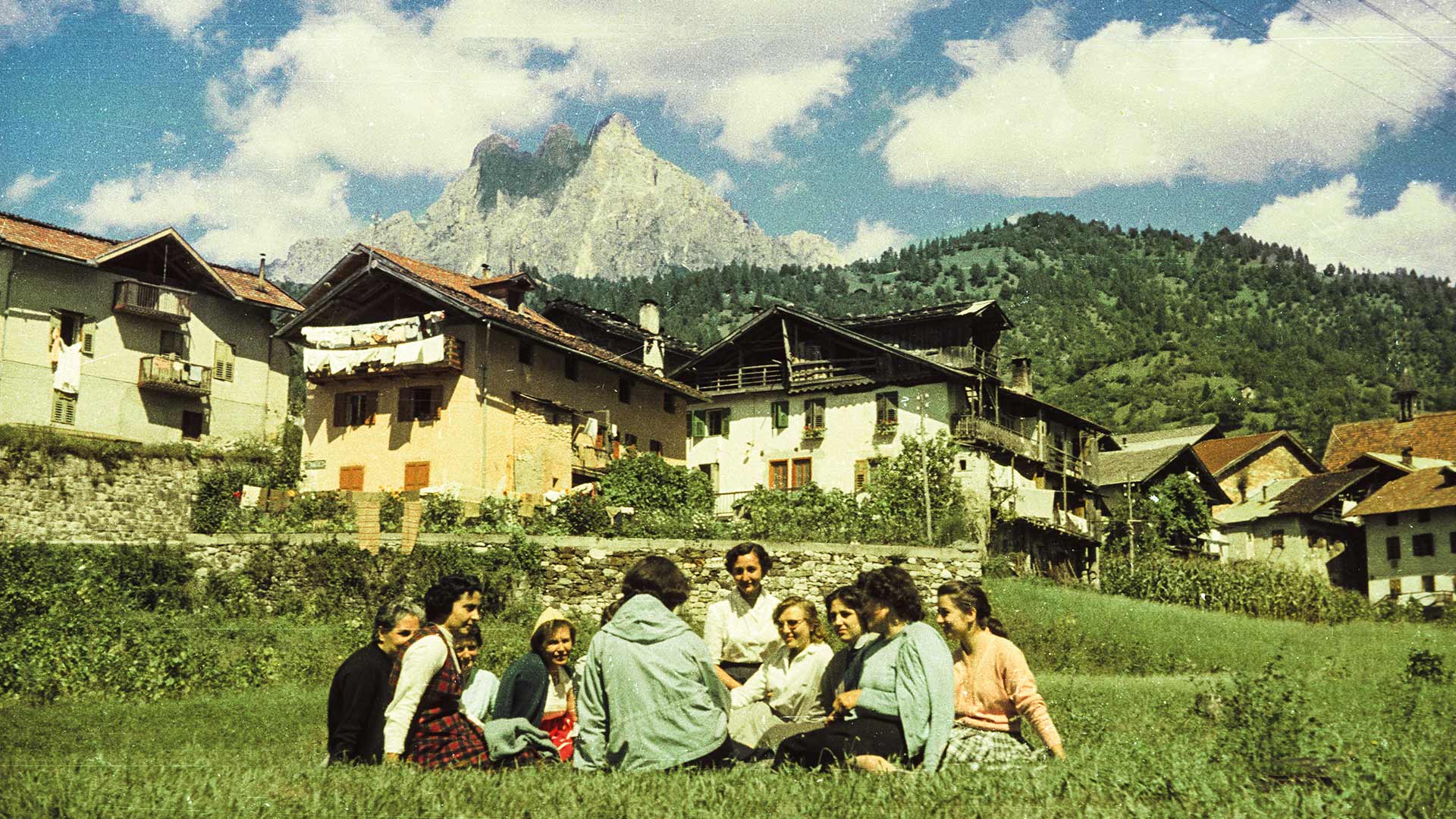
“...many other people came to visit us, so it was almost like a little town.”
© CSC Audiovisivi
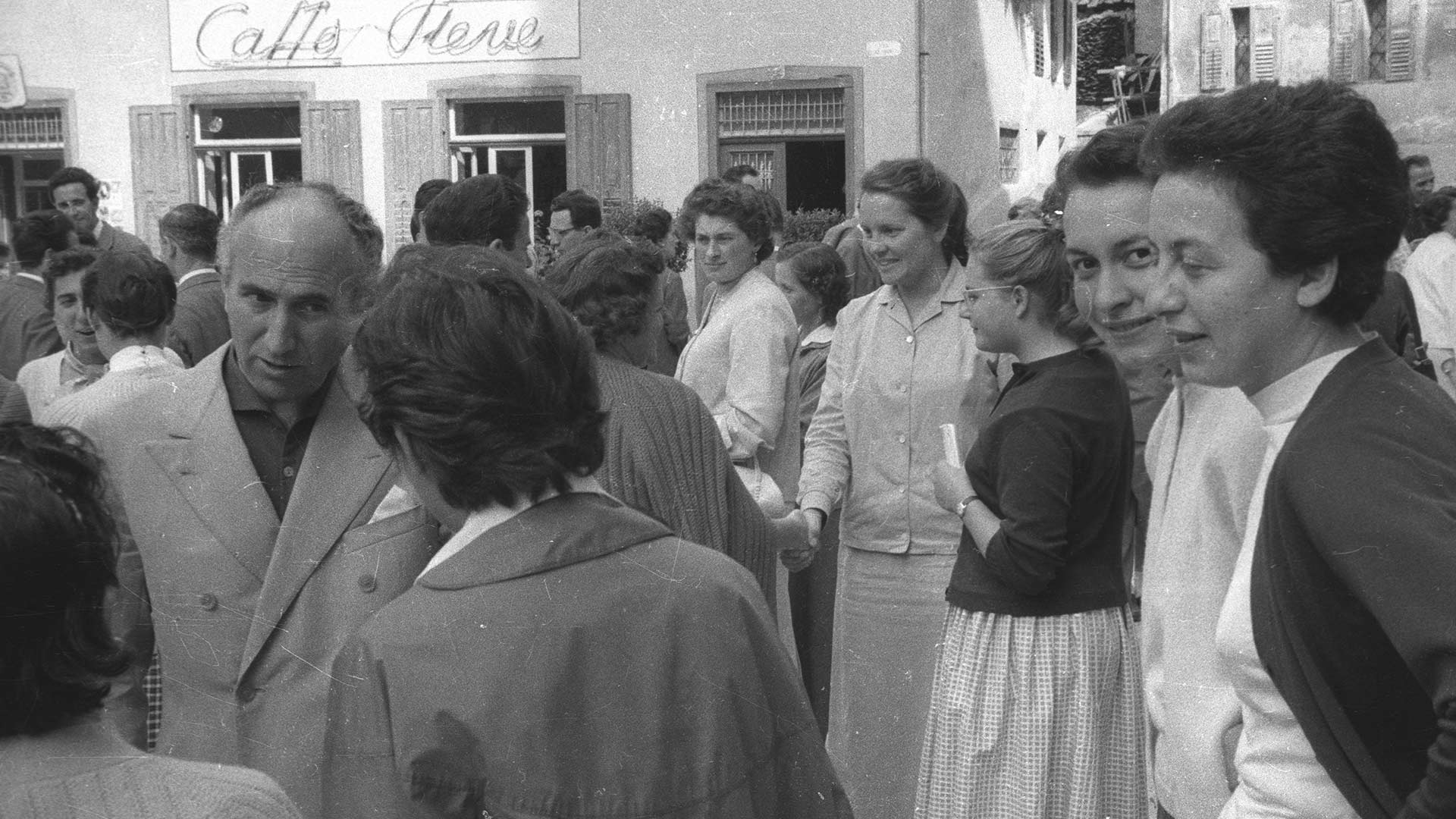
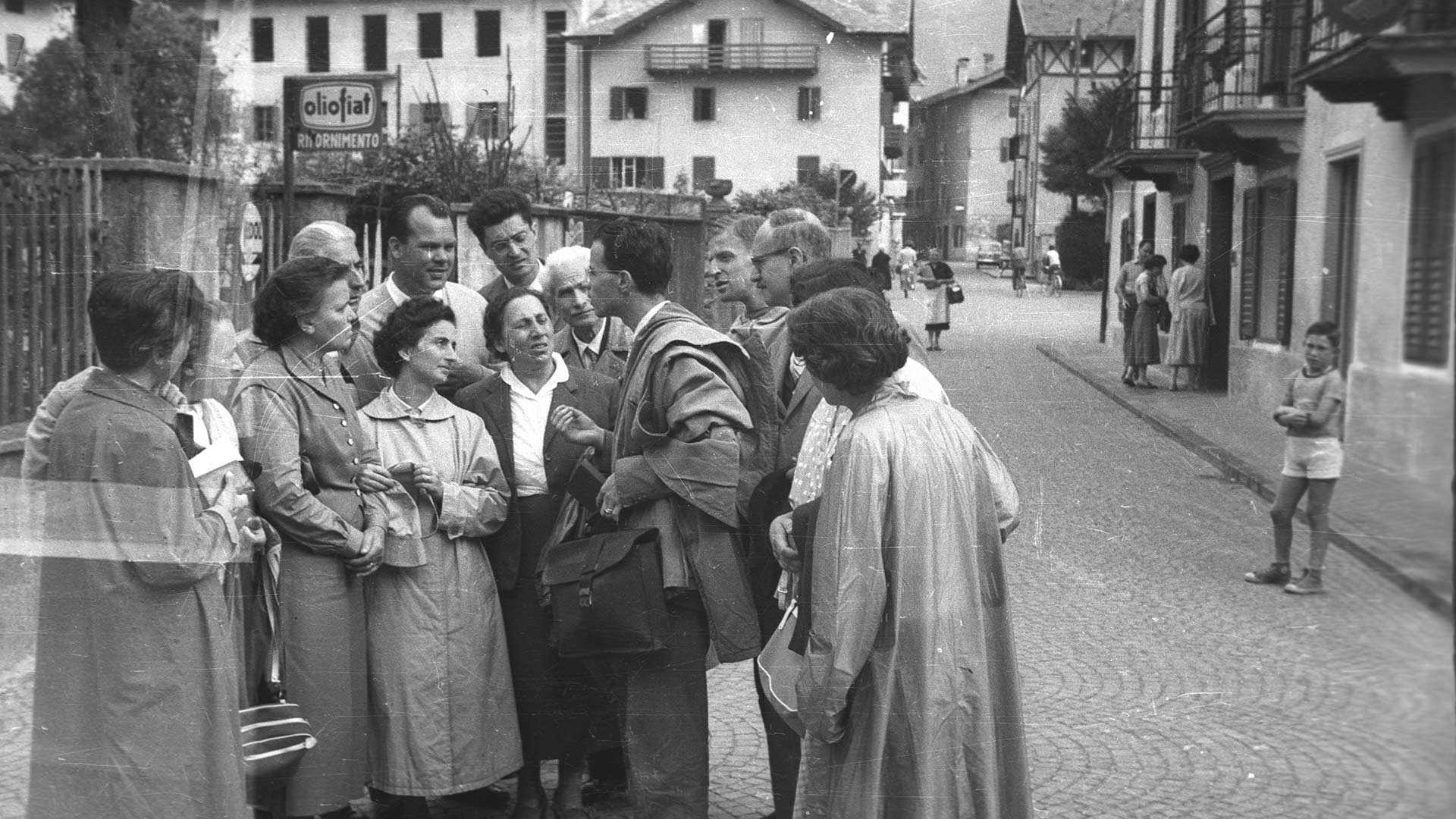
Just like in a family album, here are some pictures from the 1950s, of views, excursions and the ordinary things of those days spent together, including the inevitable “comedy sketches”. The recreational evenings, which included games and songs, were opportunities to relate, in a humorous way, little anecdotes of everyday life, special meetings, and transformations in people’s lives.


View over the Primiero Valley.

Fiera di Primiero, Tonadico and Siror.
Fiera di Primiero, Tonadico and Siror.

Panorama della Valle di Primiero.
Panorama della Valle di Primiero.
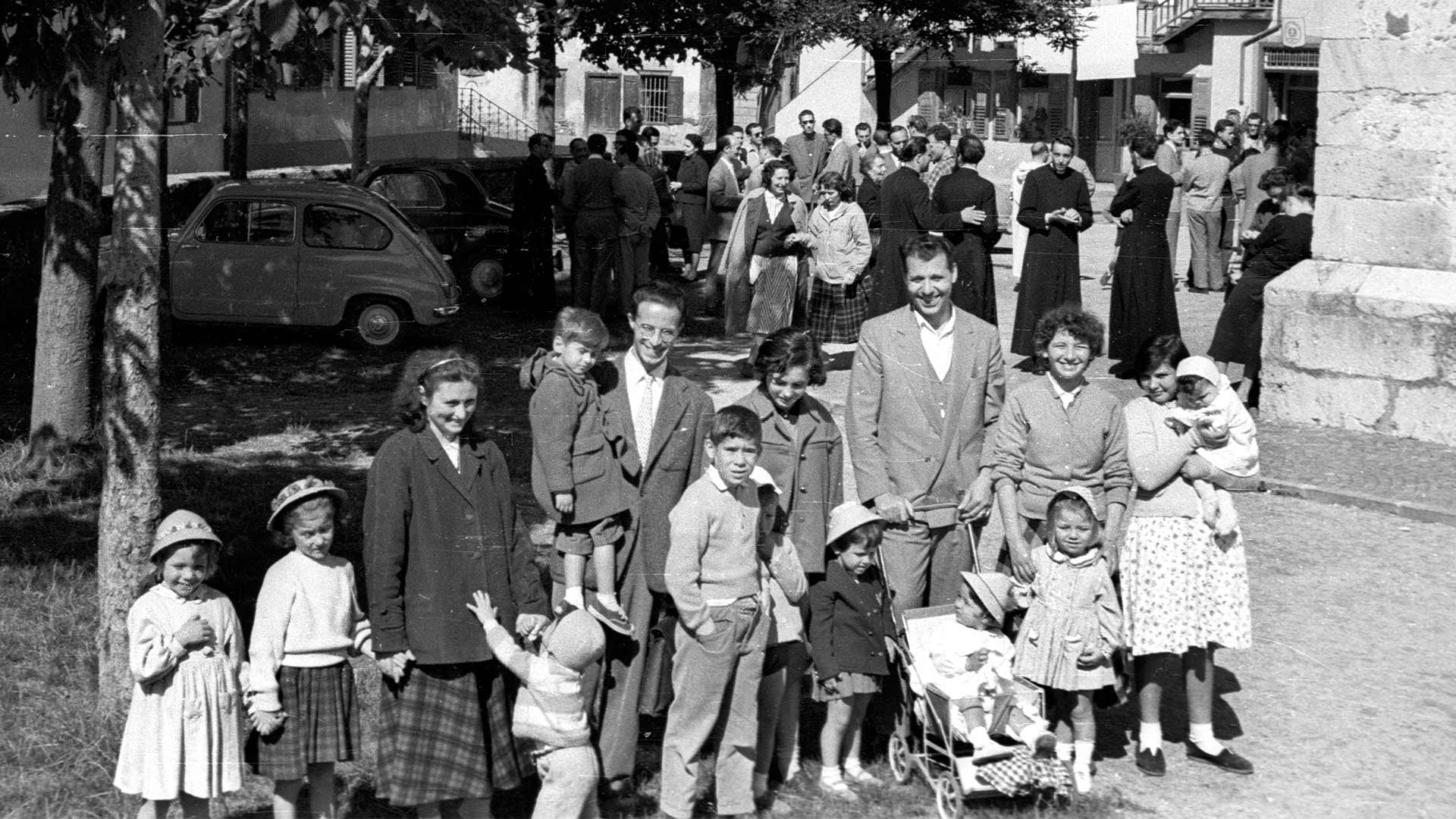
The children.

The children.

The children.
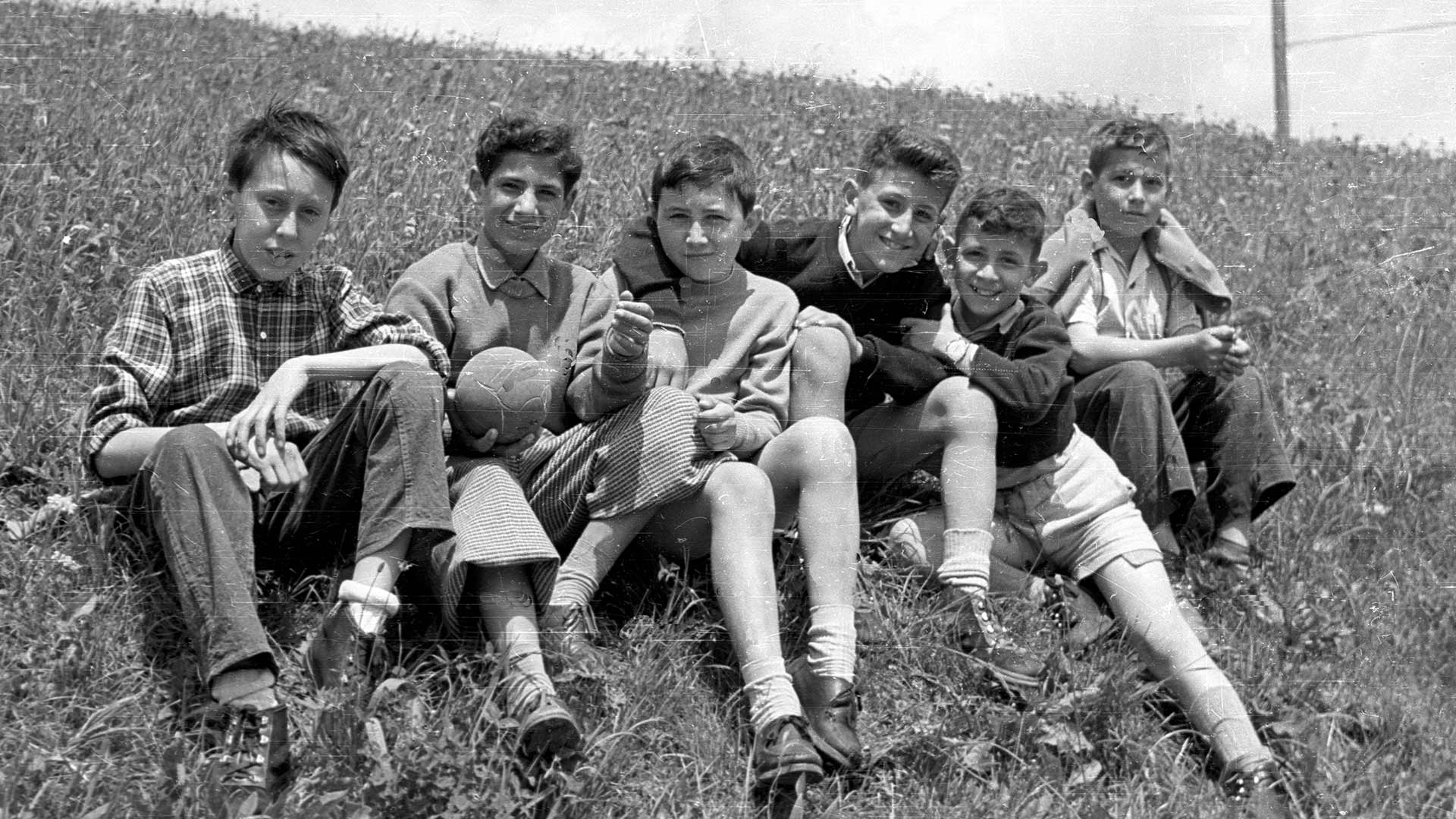
The children.

The children.

Various walks.
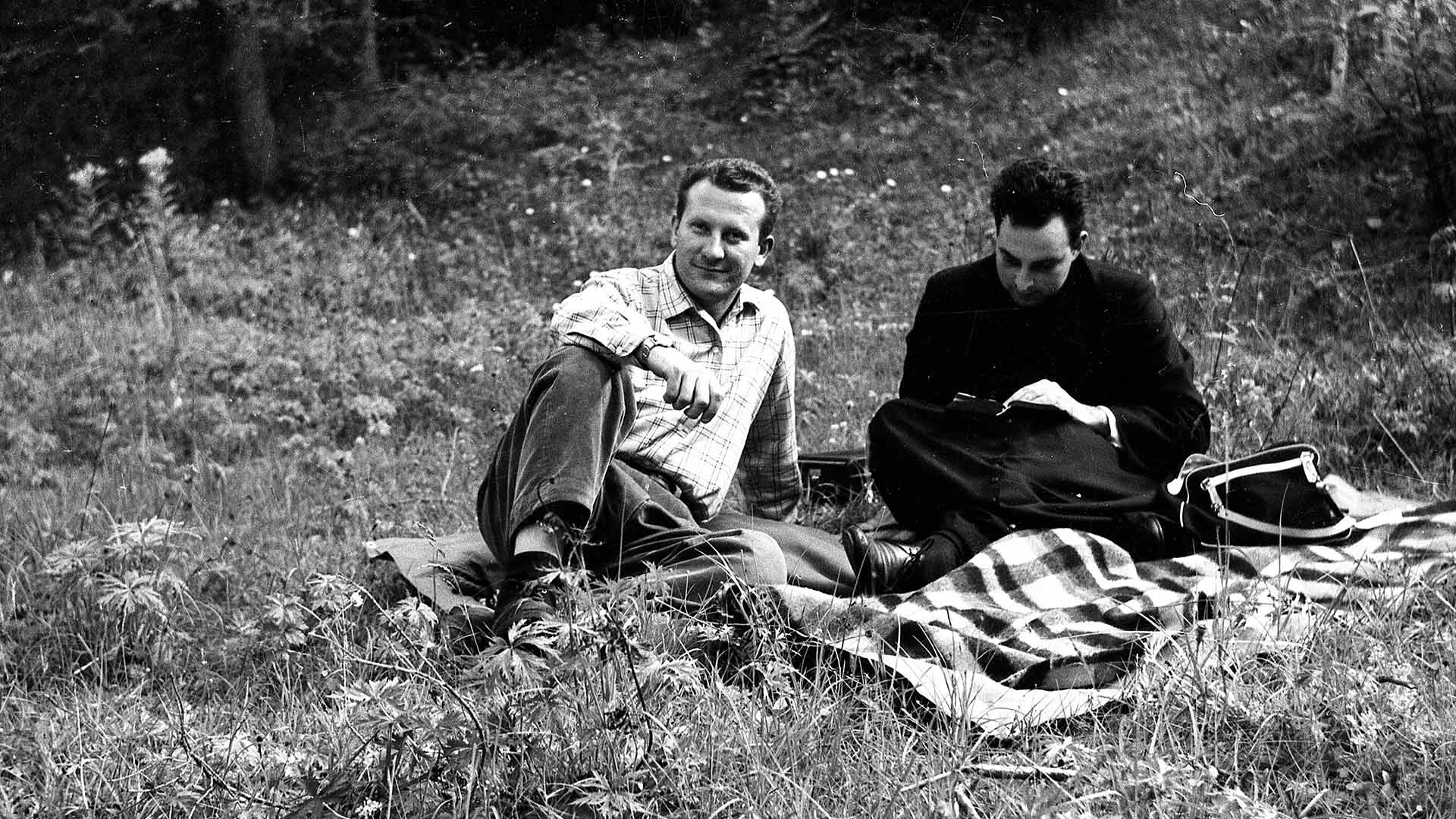
Various walks.
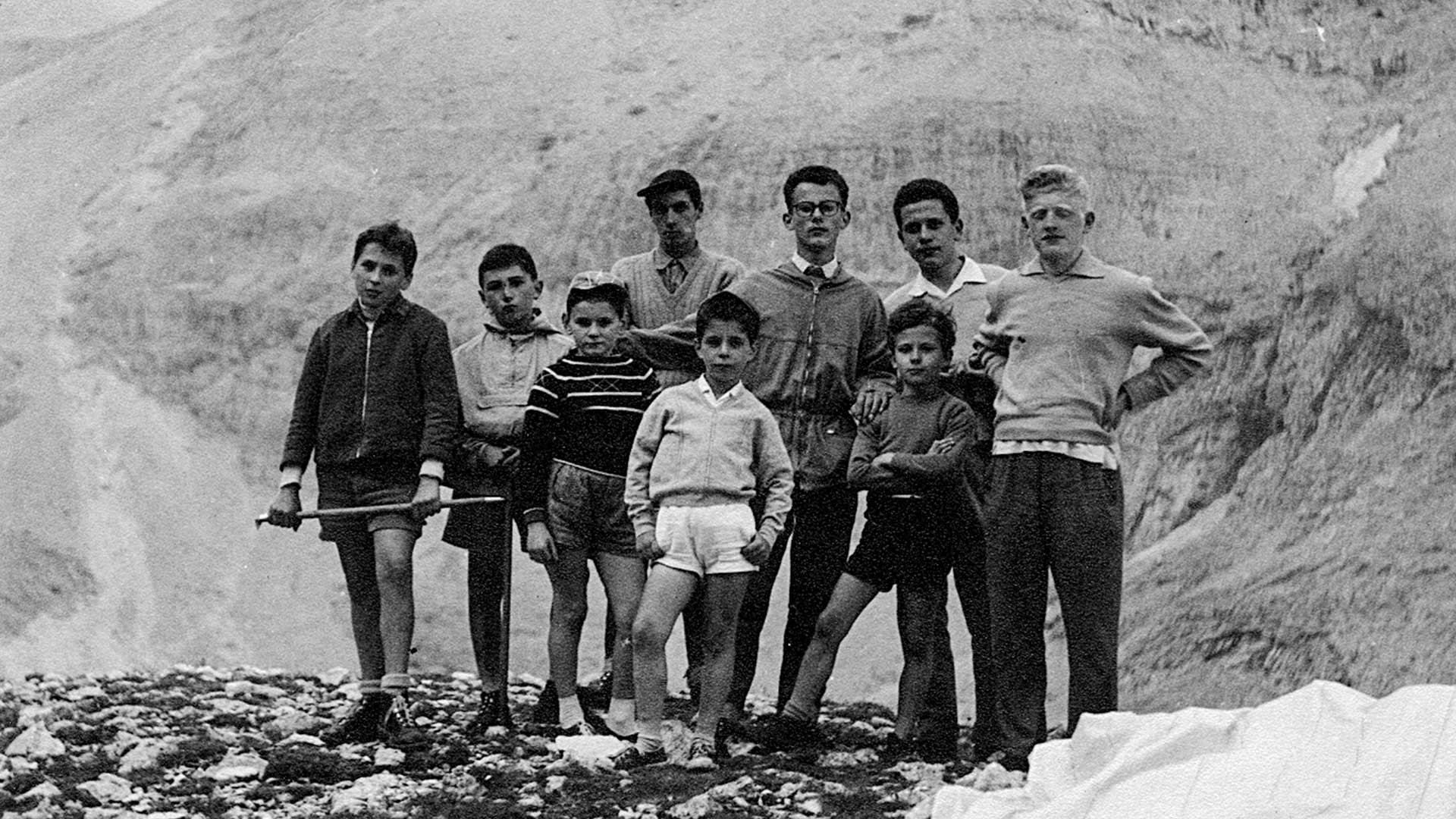
Various walks.

Photos of the Mariapolites.
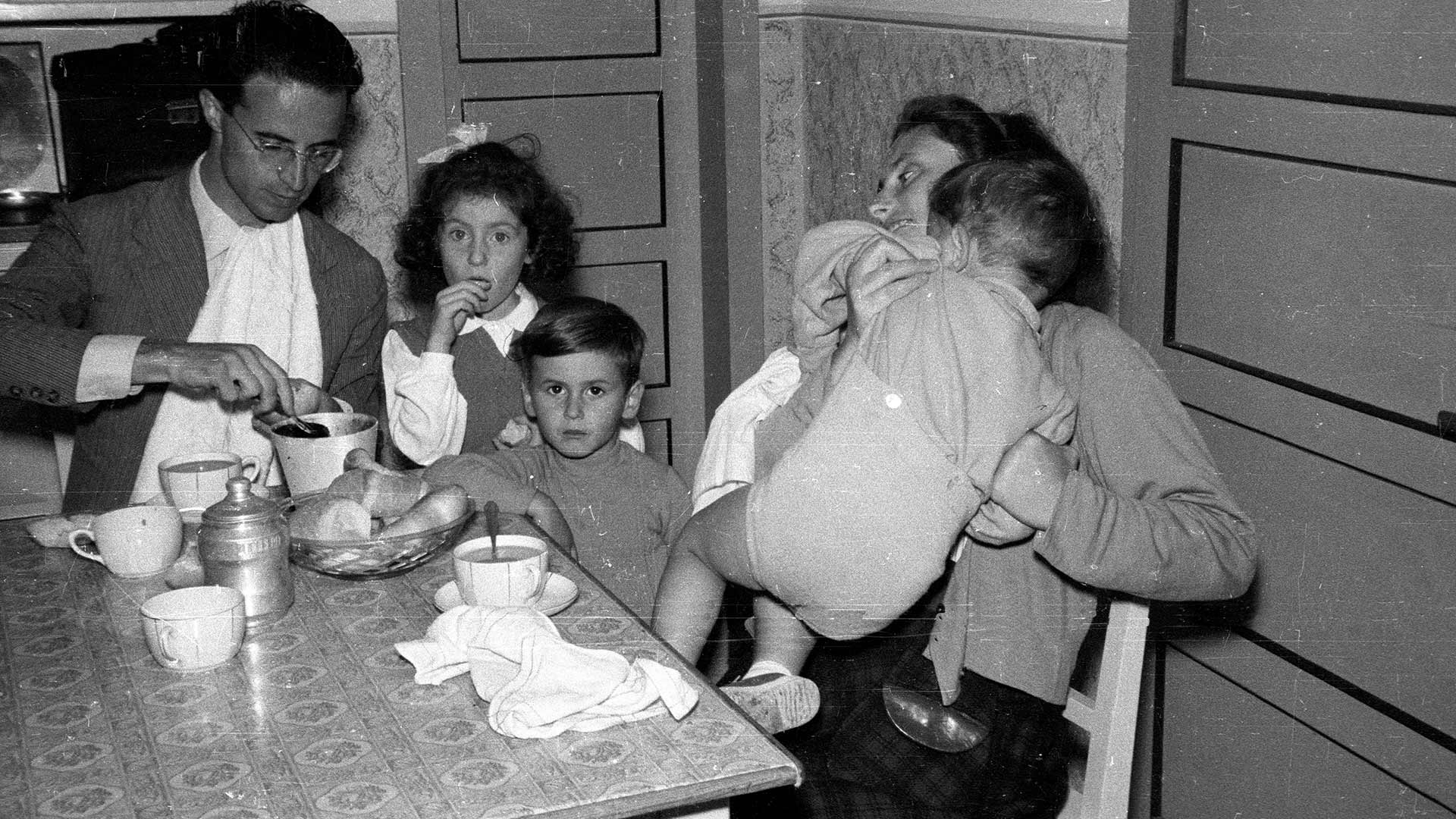
Photos of the Mariapolites.

Photos of the Mariapolites.
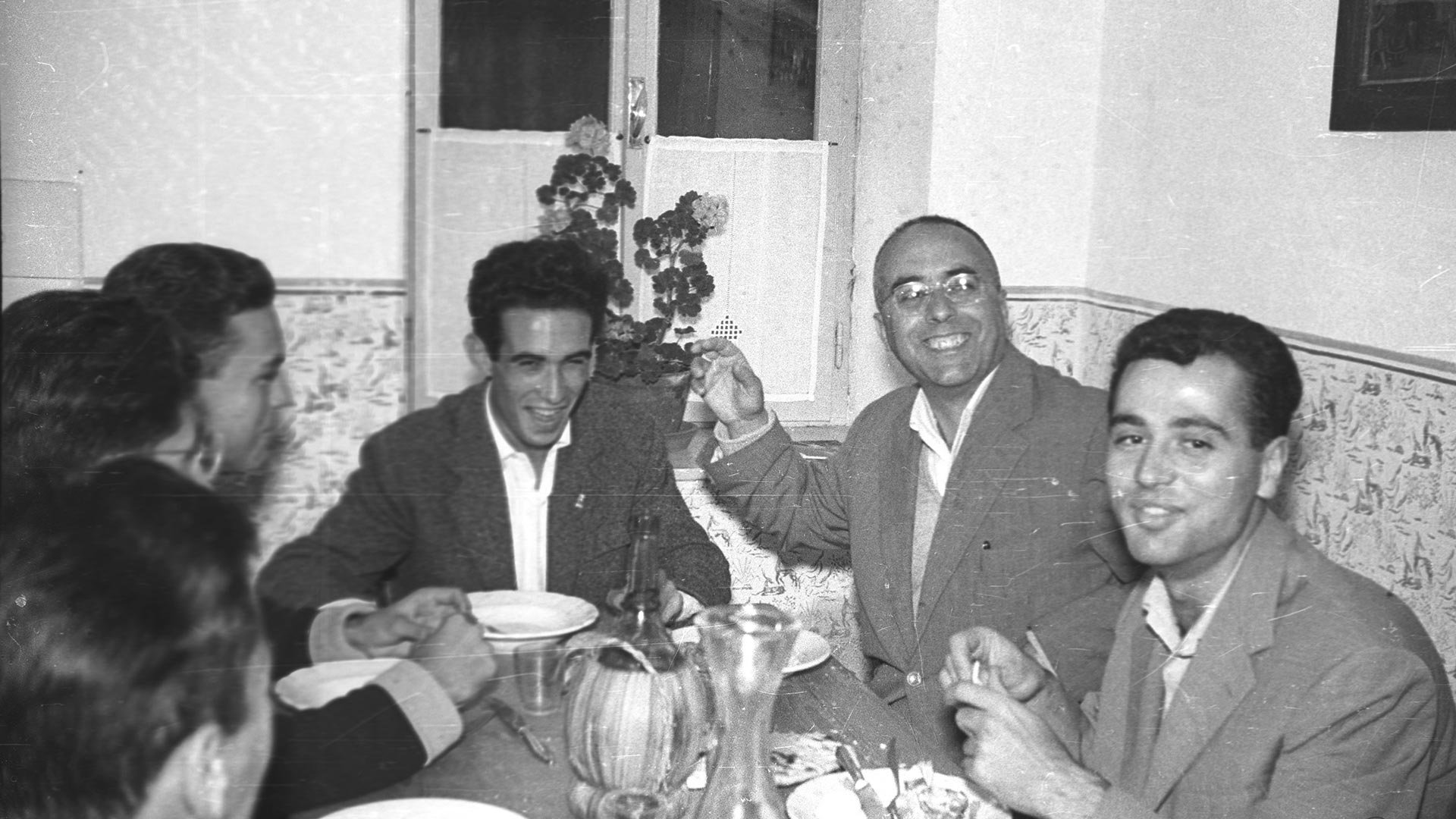
Photos of the Mariapolites.

Photos of the Mariapolites.

Photos of the Mariapolites.
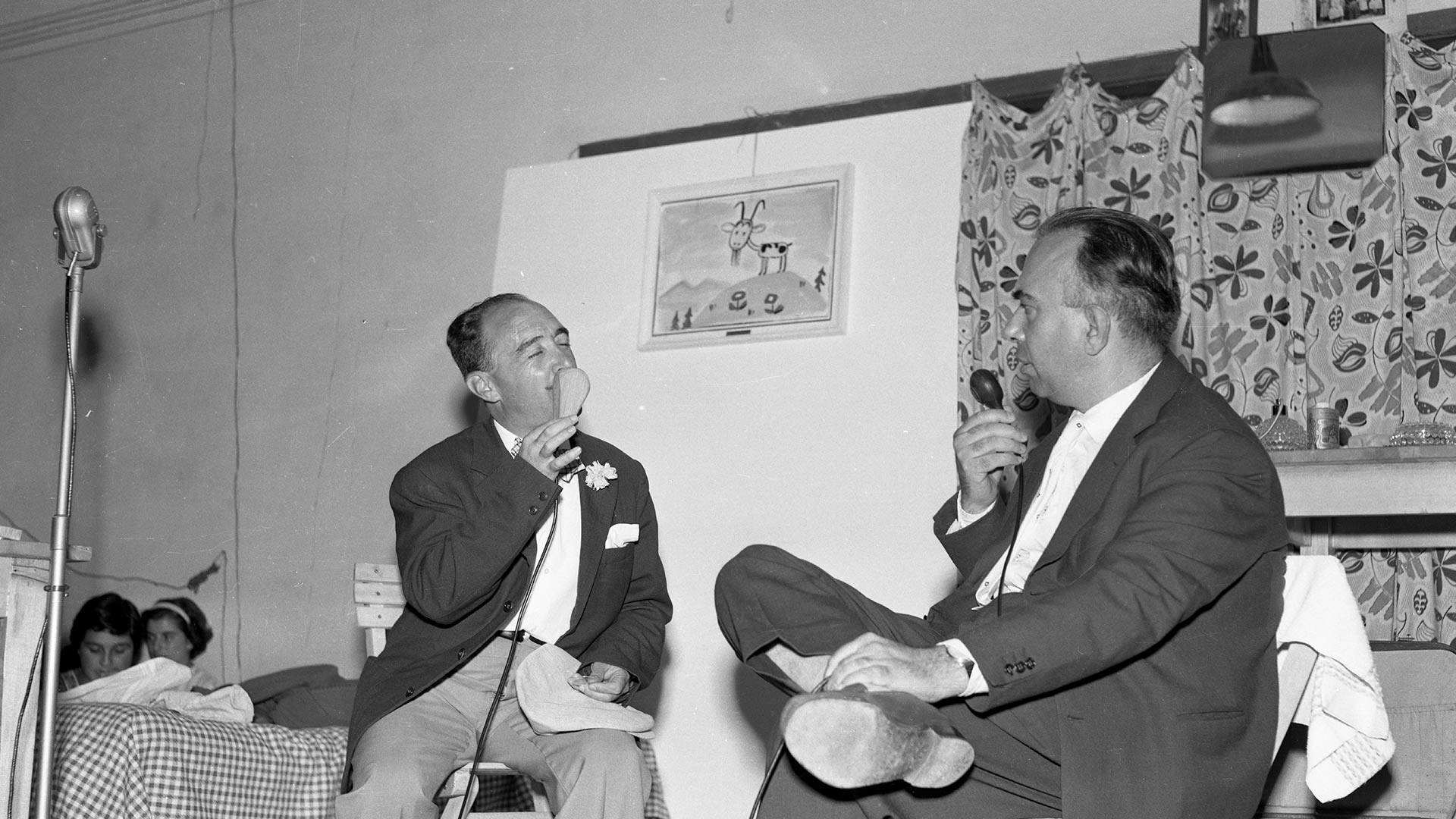
Comedy sketches.

Comedy sketches.

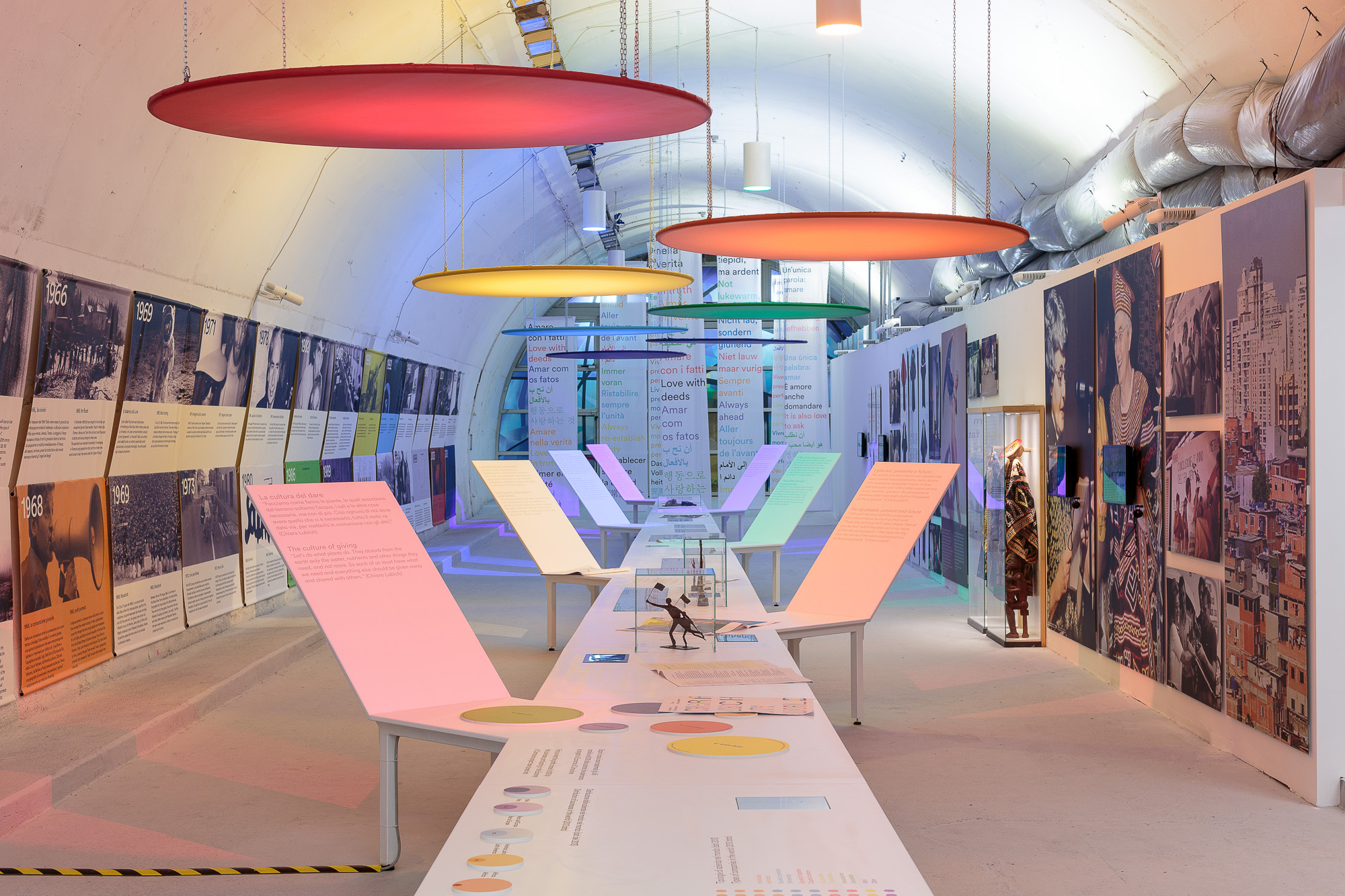
A cura di:

Fondazione Museo storico del Trentino
Via Torre d'Augusto
41 38122 TRENTO - Italy
cf/p.iva 02050480223

Centro Chiara Lubich
Via della Madonnella, 10
00040 Rocca di Papa (RM)
+39 06 947 98 221

Luogo:
Piazza di Piedicastello, 38122 Trento (TN)
Orario:
Dall'8 marzo al 18 maggio 2020: CHIUSO.
Da martedì a domenica, ore 9.00-18.00.
Chiuso il lunedì, il 25 dicembre e il 1° gennaio.
Aperto durante le altre festività, salvo diversa indicazione.
Ingresso libero.
Informazioni:
Referente: Roberta Tait
tel. +39 0461 230482
info@museostorico.it
rtait@museostorico.it
Tel. 0461 230482
Sab., dom.e festivi: 3283807024