
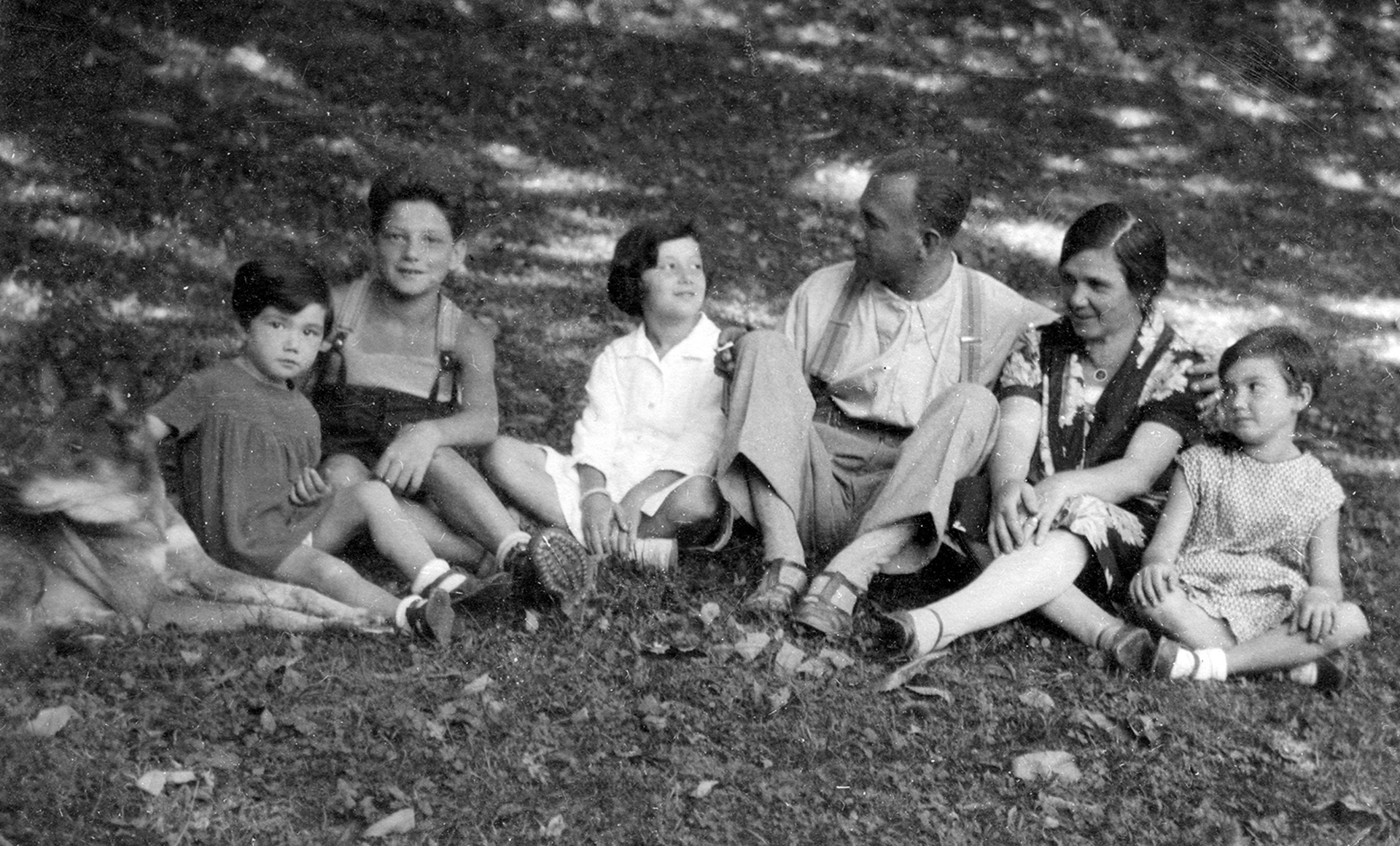
في رحلة†مع العائلة إلى رونشينيو عام 1929، تجلس سيلفيا في الوسط.
© CSC Audiovisivi

When Silvia was born on January 22nd in a flat in Via Prepositura in Trent, the First World War had recently ended. Despite the problematic post-war situation, she lived the first years of life in a serene family atmosphere and relative comfort. But in the process of social and economic rebirth, her father Luigi’s business failed due to the 1929 economic crisis and the family’s situation changed significantly.

سيلفيا (كيارا) لوبيك بعمر ستة أشهر.
© CSC Audiovisivi
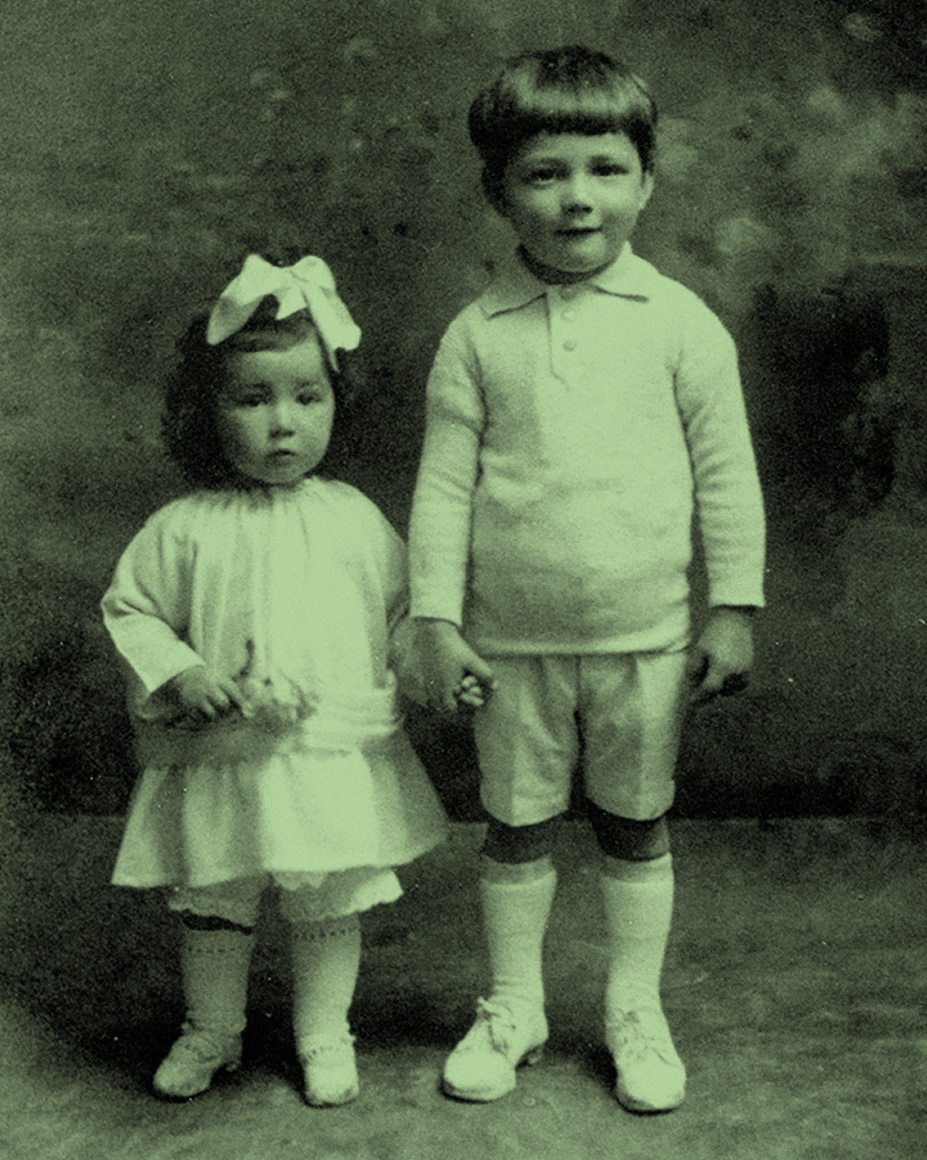
صورة سيلفيا مع جينو لوبيك، أهدتها الأم إلى الأب في ترينتو بتاريخ 21 حزيران 1921.
© CSC Audiovisivi
“I was two years old on the 22nd January 1920 but I could tell you what happened minute by minute, when I saw her just after she was born. We were living in a house in Via Prepositura that overlooked Piazza S. Maria Maggiore. Our flat was on the third floor, made up of a kitchen, a smaller long bedroom and my parents’ bedroom. She was born in the long bedroom.” (Gino Lubich)
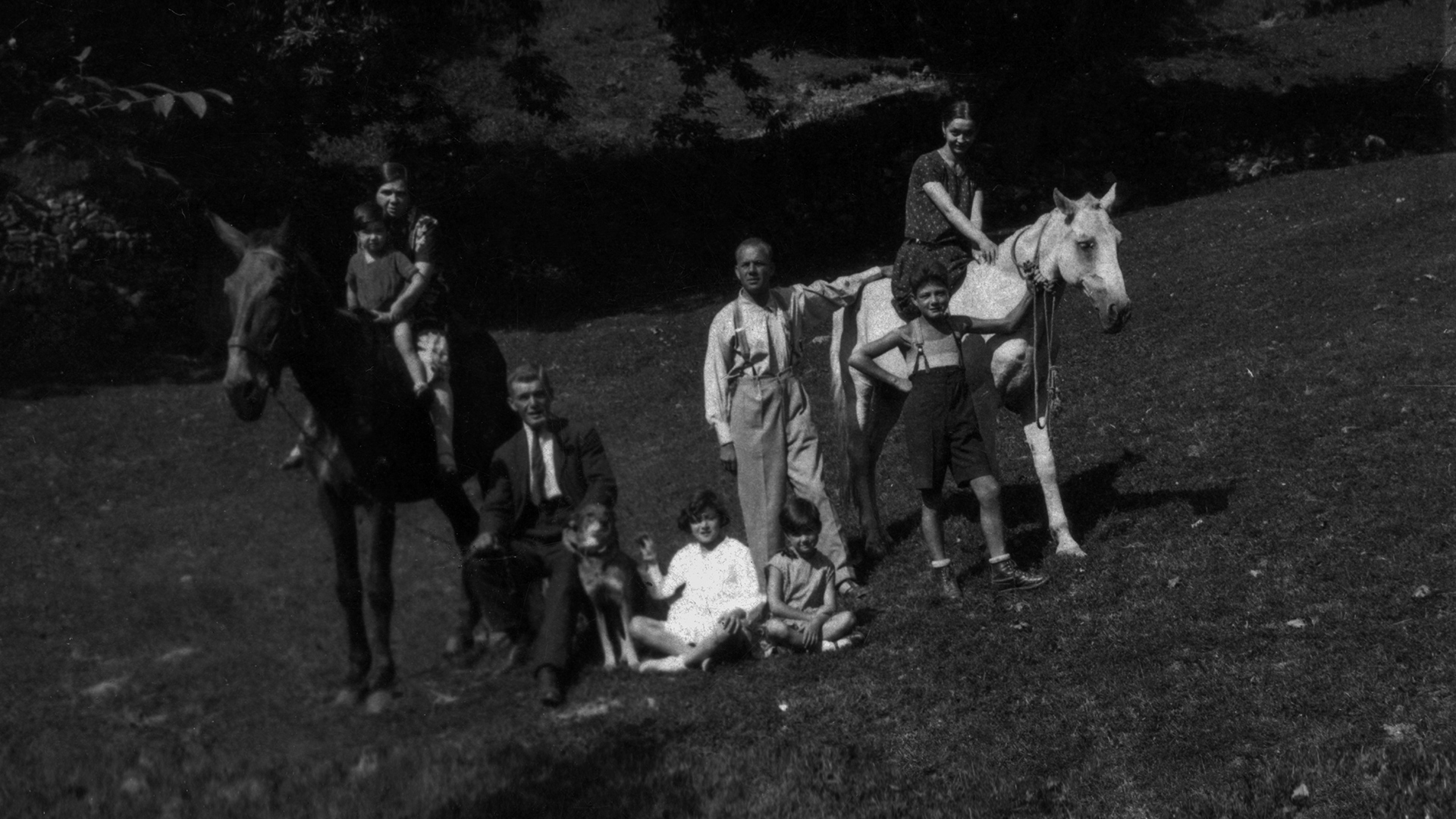
في رحلة†مع العائلة إلى رونشينيو عام 1929، تجلس سيلفيا في الوسط.
© CSC Audiovisivi
“My family was very normal. Everyone had their own views but there was always great harmony amongst us. … My dad was a socialist; he was really idealistic and against fascism; that’s why we were never wealthy. We were at first, but then things got worse. Instead, my mum was a profoundly sincere and convinced Christian.” (Chiara Lubich)

سيلفيا بعمر 8 سنوات في صورة داخل الصف. الثانية من اليسار، تجلس على الأرض.
© CSC Audiovisivi
Her formative years were those when fascism grew in Italy and when Trent and the Trentino region were located within the borders of the Italian State. A look at the front page of Silvia’s report for her first year at school in 1926 reveals the ideological climate that spread its influence everywhere.

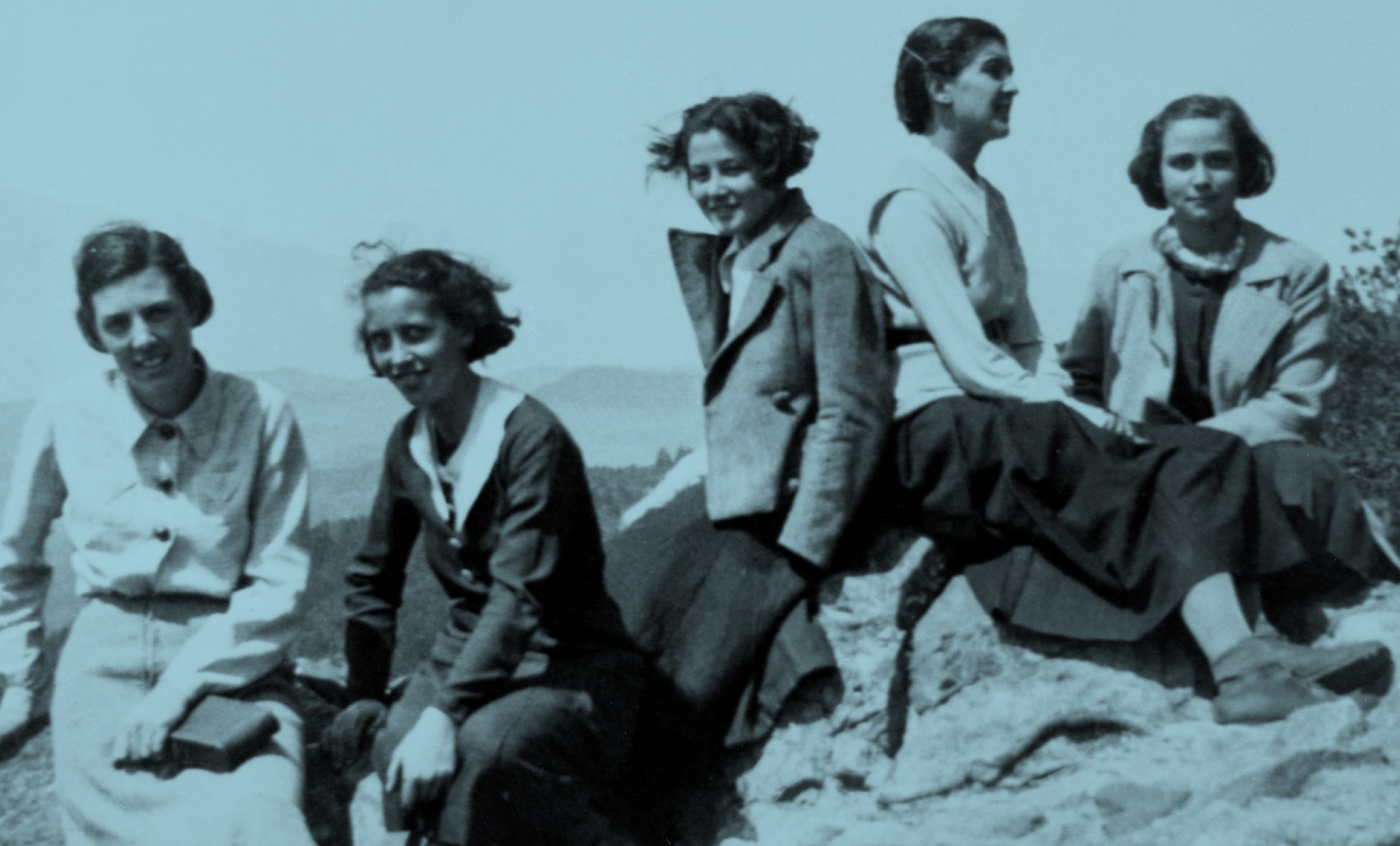
بينيه – ترينتو، آيار 1936. في رحلة مدرسية إلى الجبال المحاذية لترينتو، مع بعض رفيقاتها في مدرسة تأهيل المعلّمين.
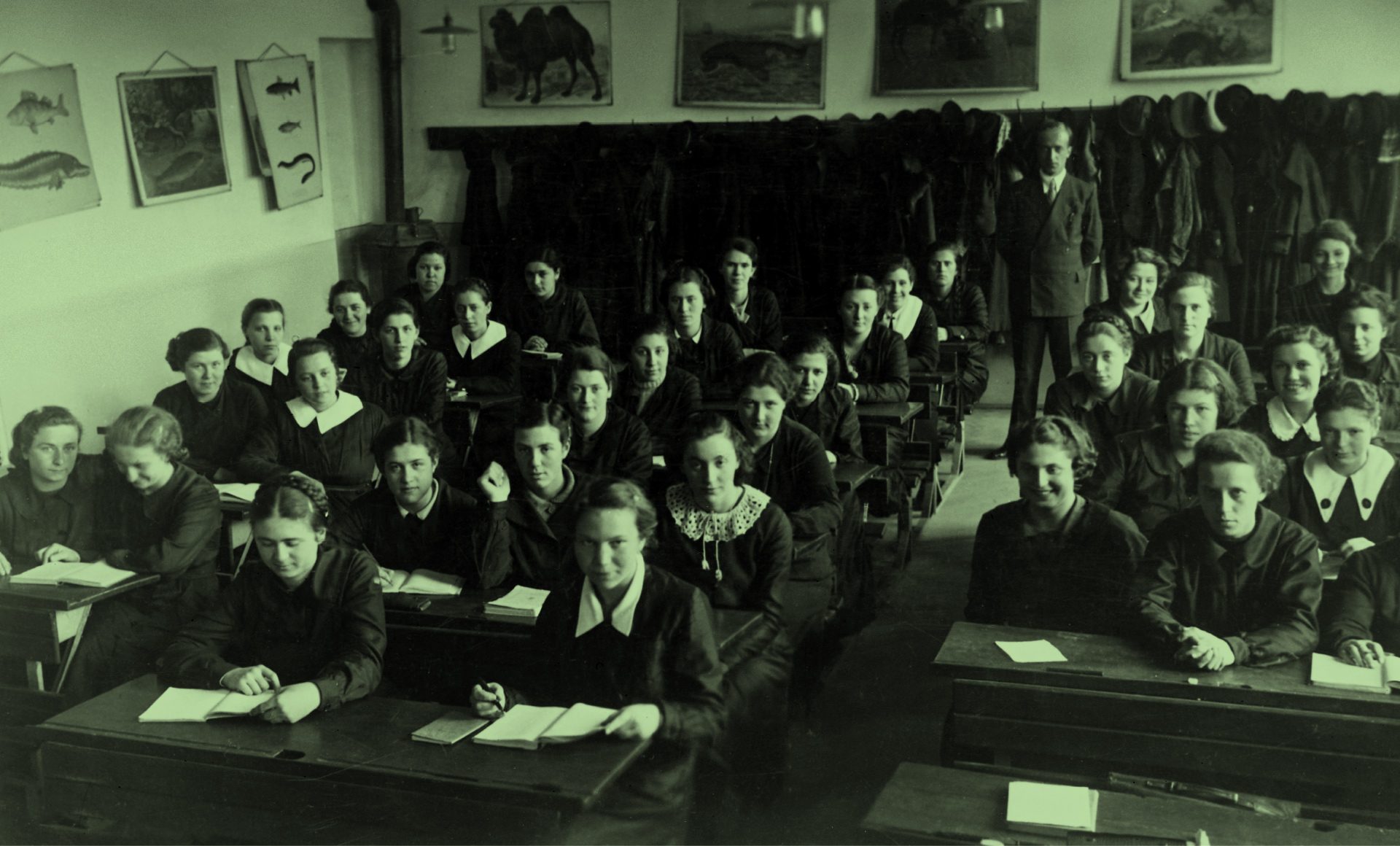
1938، العام الأخير من تأهيل المعلّمين في معهد أنطونيو روزميني. كيارا في المقعد الأخير على يمين أستاذ الفلسفة.


مع تلاميذ المدرسة الإبتدائية المُلحَقة بدار أيتام العمل الساروفي في منطقة كونيولا ترينتو، المكان الذي دَرَّسَتْ فيه سيلفيا منذ عام 1940 وحتى عام 1943.
© CSC Audiovisivi
Qualified to teach in 1938, the young teacher with good drawing skills, prepared an abecedary, which reflected the times and propaganda of the Fascist regime, and shows the care taken in carrying out her work and the friendly relations with her colleagues. One of them was Pierita Folgheraiter.


تبادل رسائل: بييريتا فولغيرايتر، زميلة سيلفيا في العام الأكاديمي 1940–1941 في العمل الساروفي.
® CHIARA LUBICH

Dear Silvia,
Can you manage, taking all the time you need, to finish the 7? If you need colours they are here; otherwise it will be next week. Thanks so much and sorry to bother you.
Yours affectionately, Pierita.
When you write, tell me something beautiful.
See you soon.

Dear Pierita,
Of course I can finish it! I started on the 7 little flowerpots but was not convinced about them. So I’m doing a different one. You’ll see. I’d like to use a nice sky blue, if you’ve got it. There isn’t one here. Tell me if writing the 7 in black is ok.
A hug. Silvia.

Dear Pierita,
I will do the rainbow.
I’m sorry you’ve got a headache, but I’m consoled by the fact that I can share it with you. My head began thumping as soon as we came out of the refectory. I think and I’m sure it is due to indigestion. We eat our meals too fast. And you know that ‘prima digestio fit in ore’! [Digestion starts in the mouth] This evening let’s try eating at a snail’s pace! Agreed? If it’s too bad, I hope you will ask Miss Bice for a painkiller. Otherwise offer it up to the Lord for your little ones. I do the same and I see the benefit of this sometimes even though I’m not worthy.
A hug
Silvia
“Right from the start she was so supportive and made many valuable suggestions. She did whatever I asked her without complaining; far from it! I saw she worked hard and was very precise and careful; she was always calm and optimistic. She was the one who offered to draw the posters I used for my lessons, and I have kept them always, and I never threw away any of the notes she wrote me during that year. If I couldn’t do something I would ask her and she helped with everything. She wanted to prepare the wonderful drawings, done in charcoal or watercolours, to illustrate all the numbers from 1 to 10; and she did the same for all the letters of the alphabet.”
(Pierita Folgheraiter)

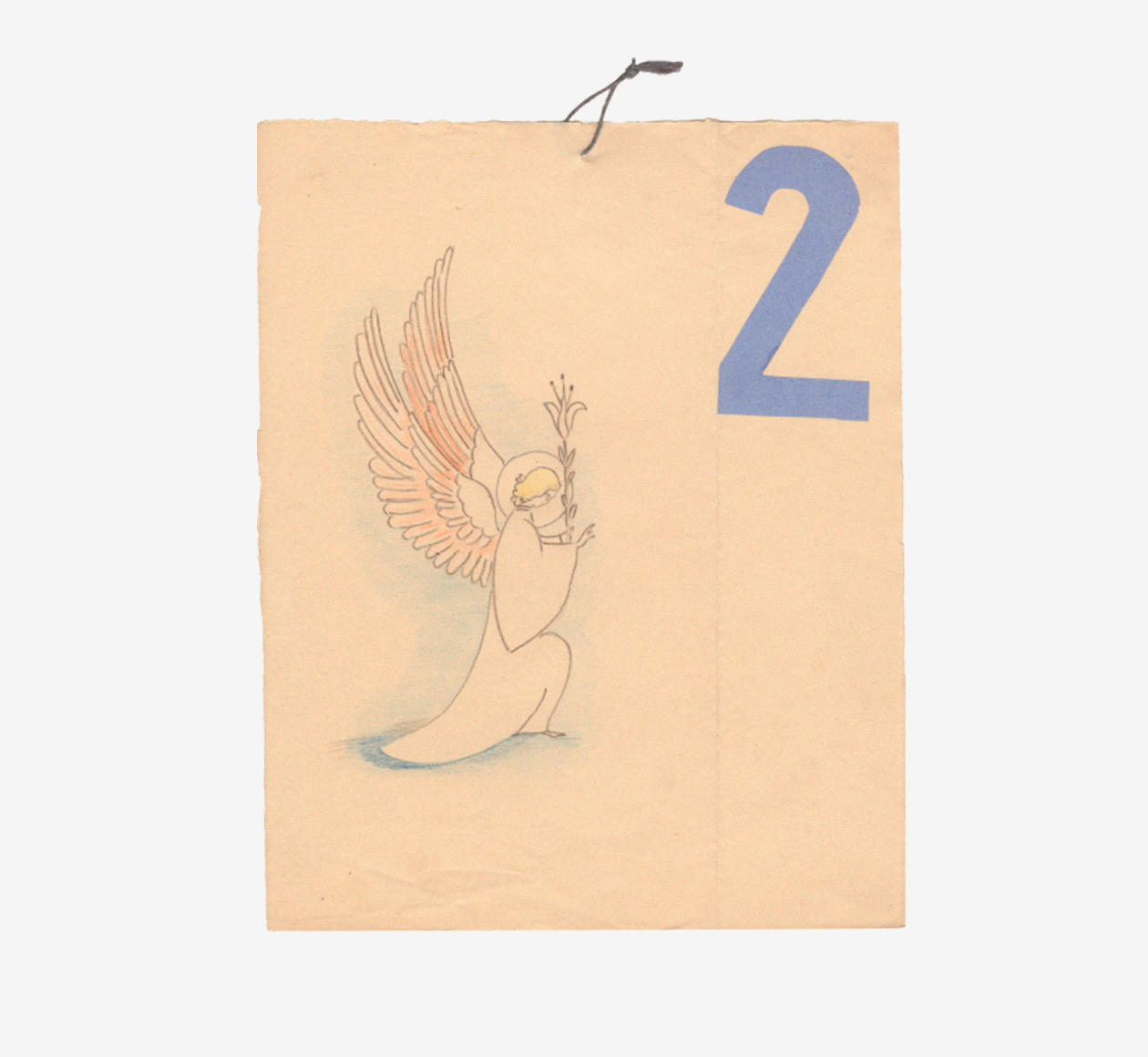


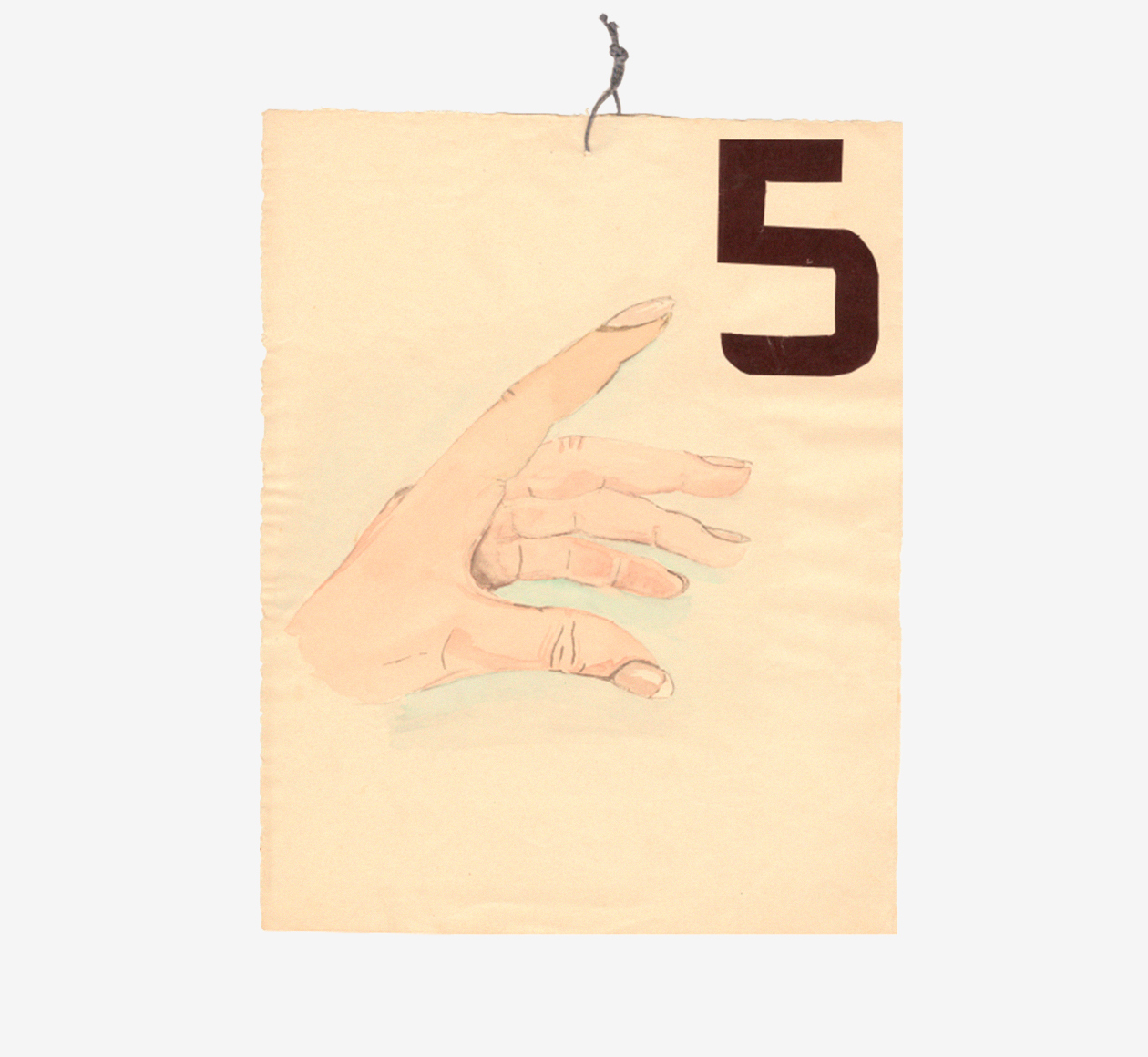
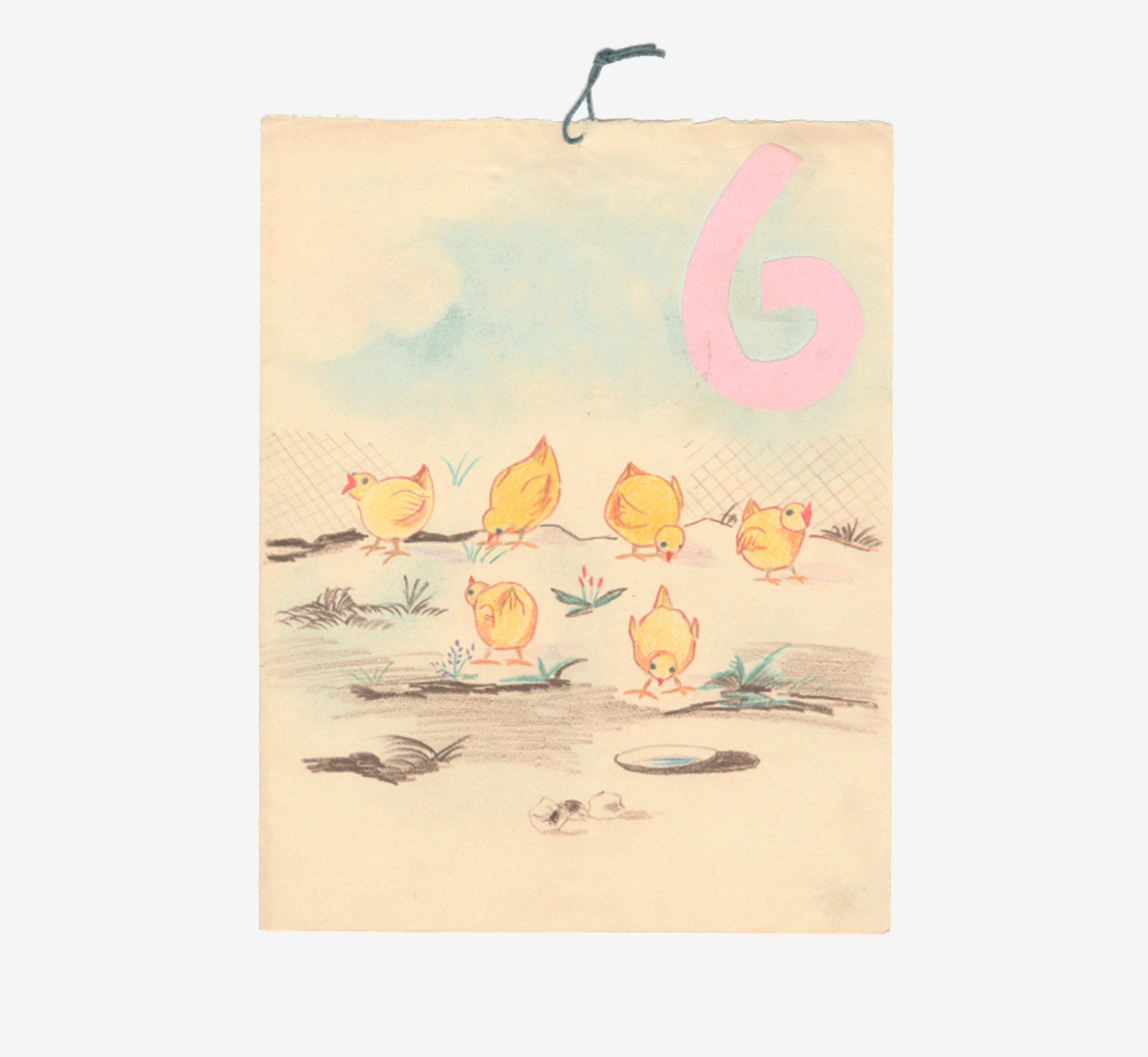
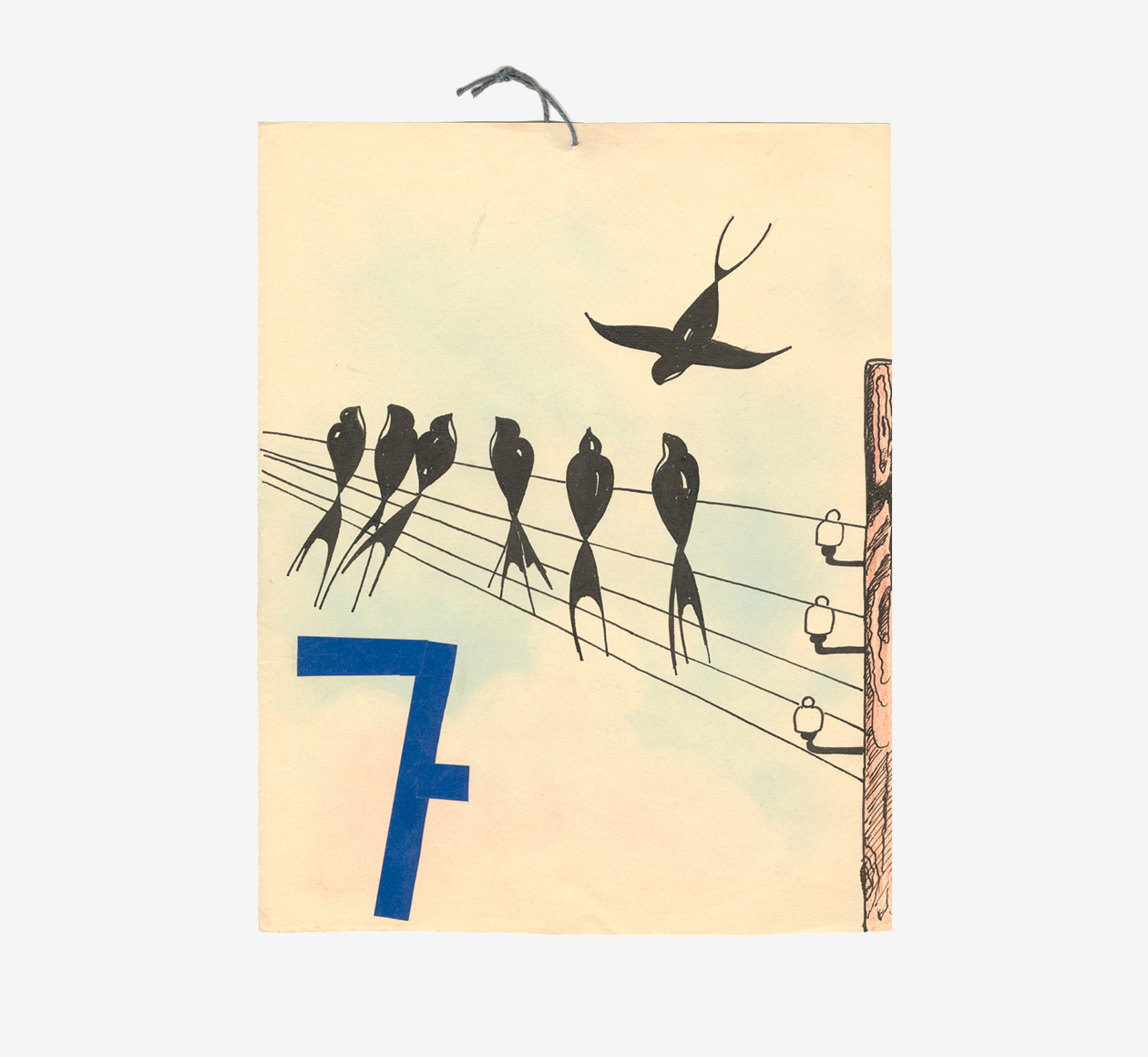


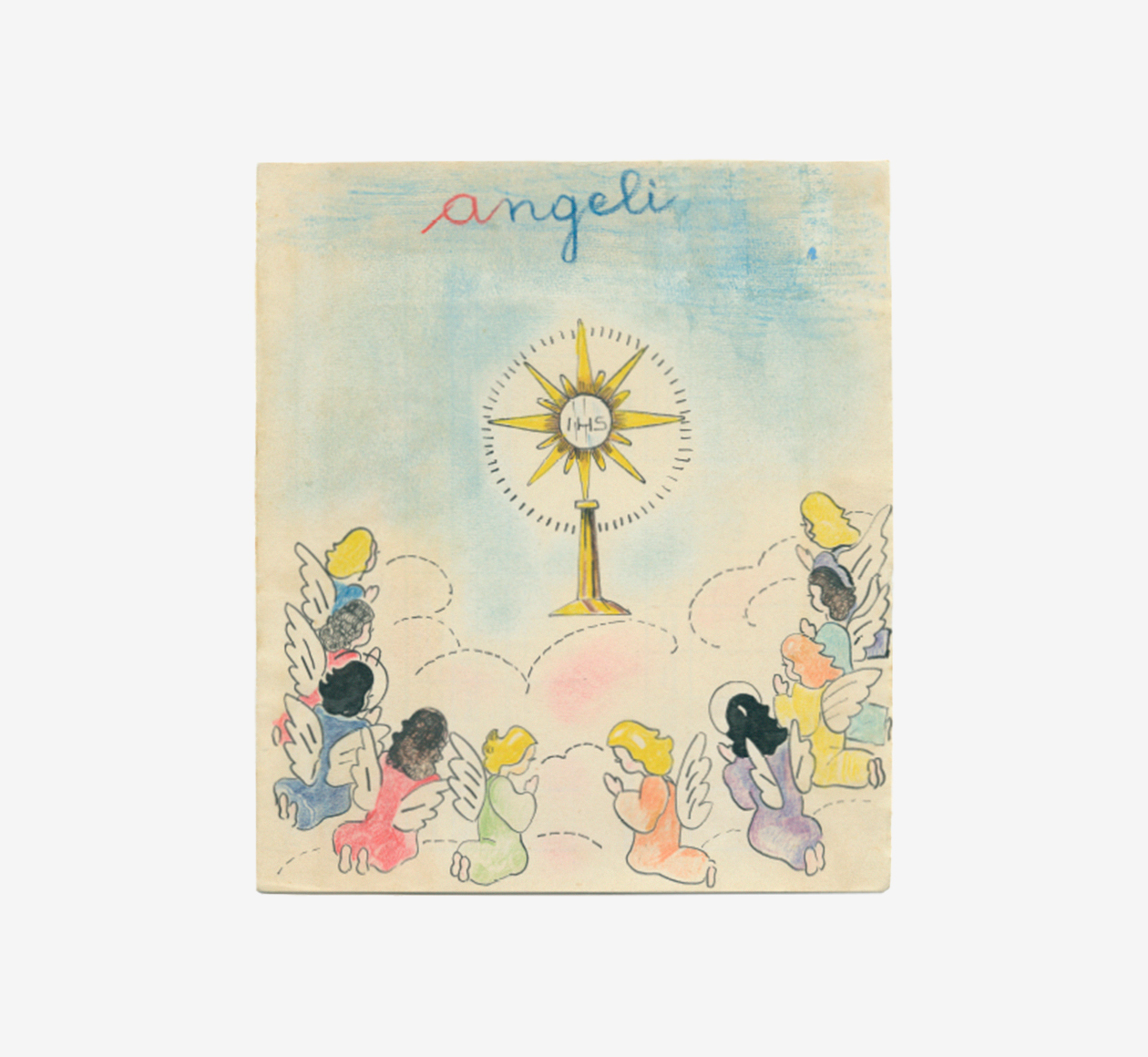
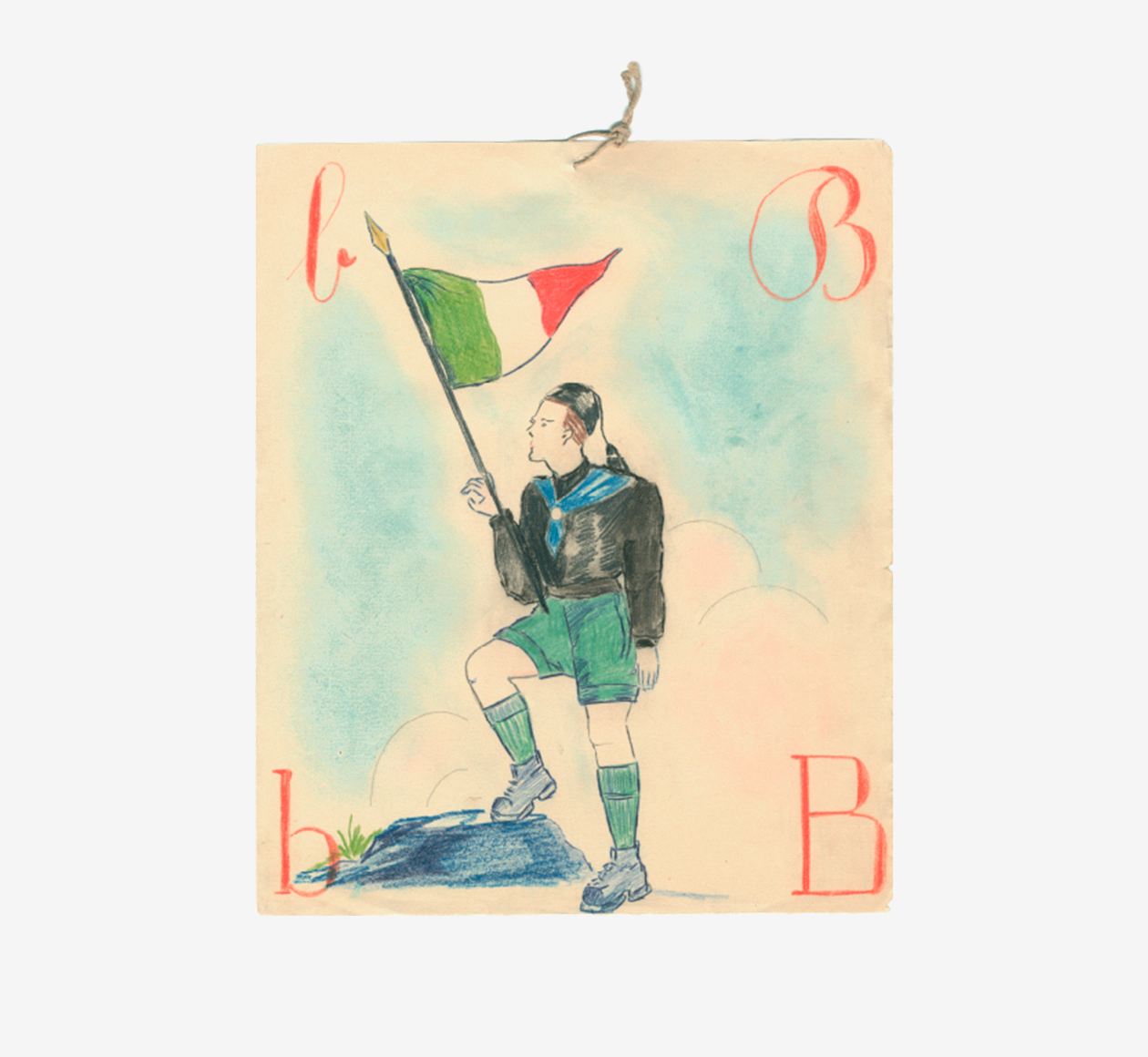
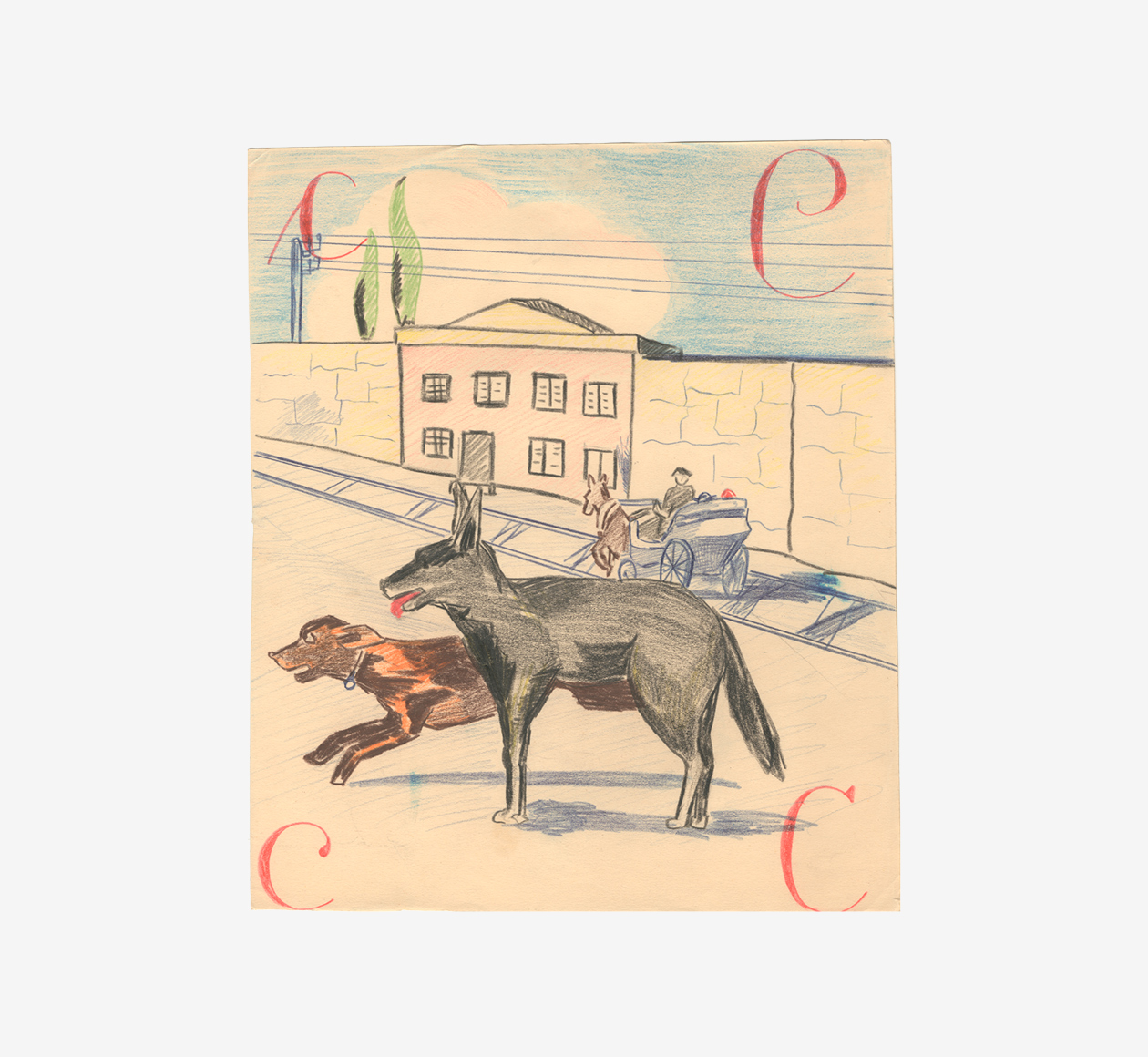

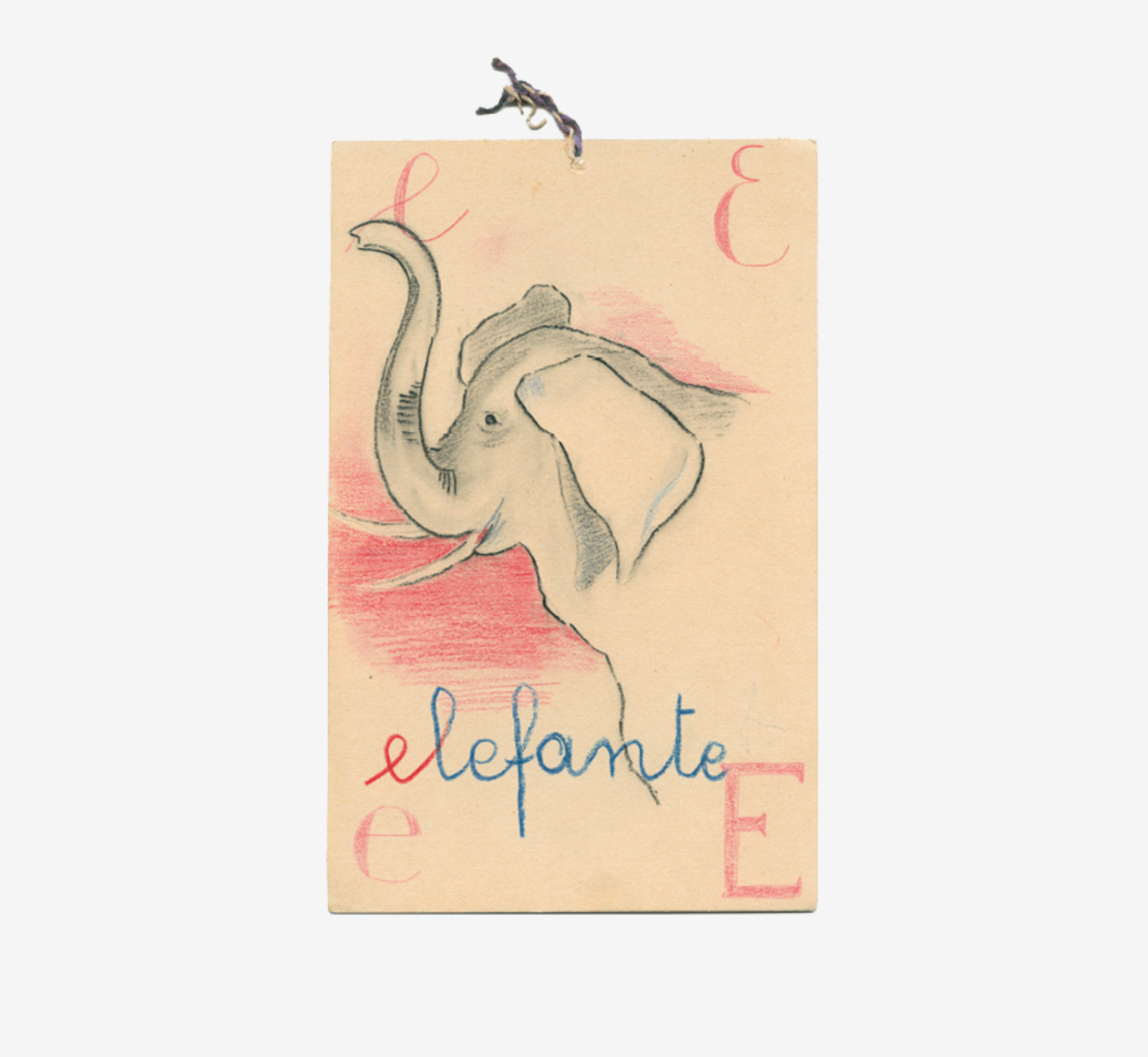
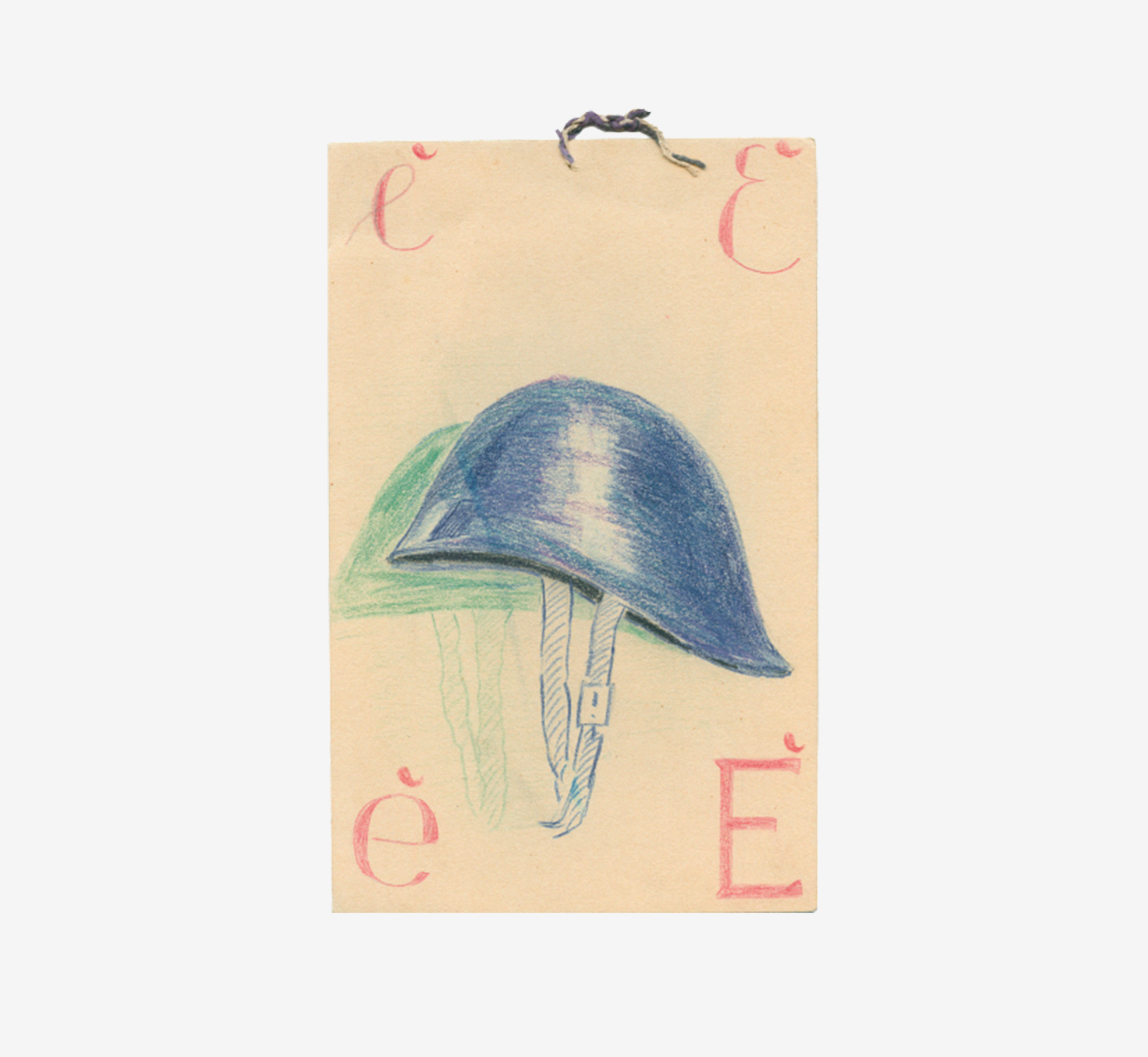
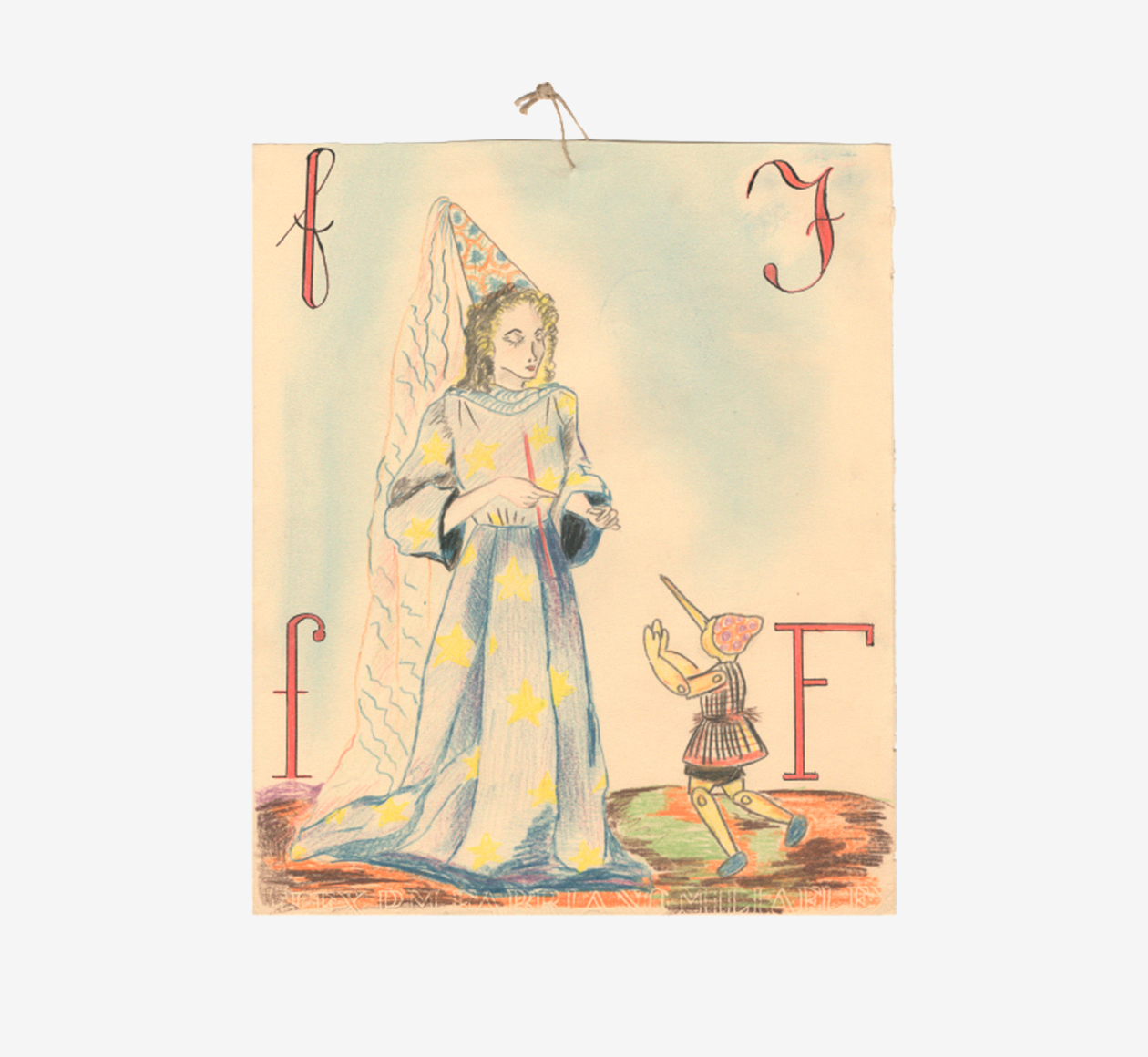
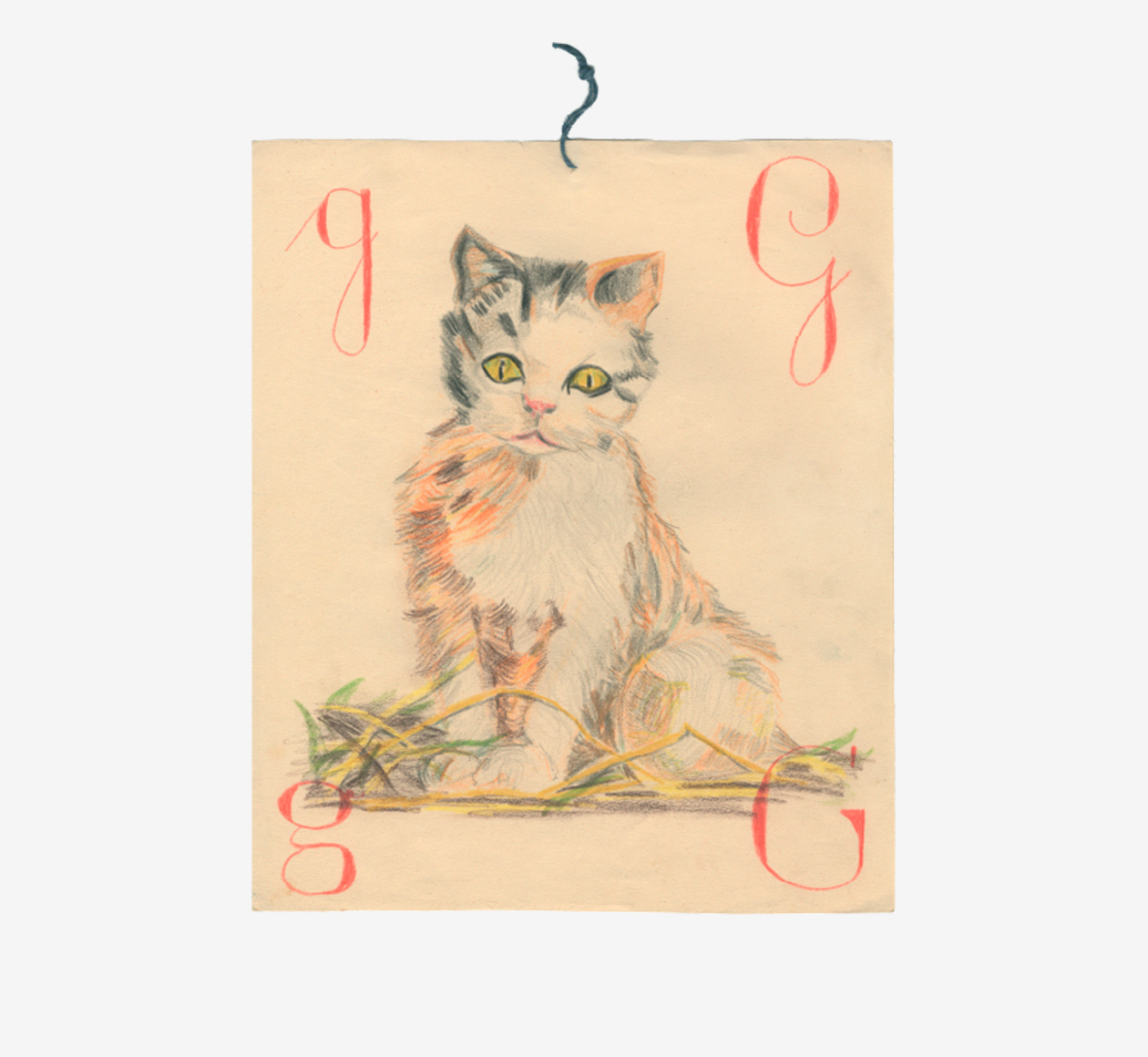

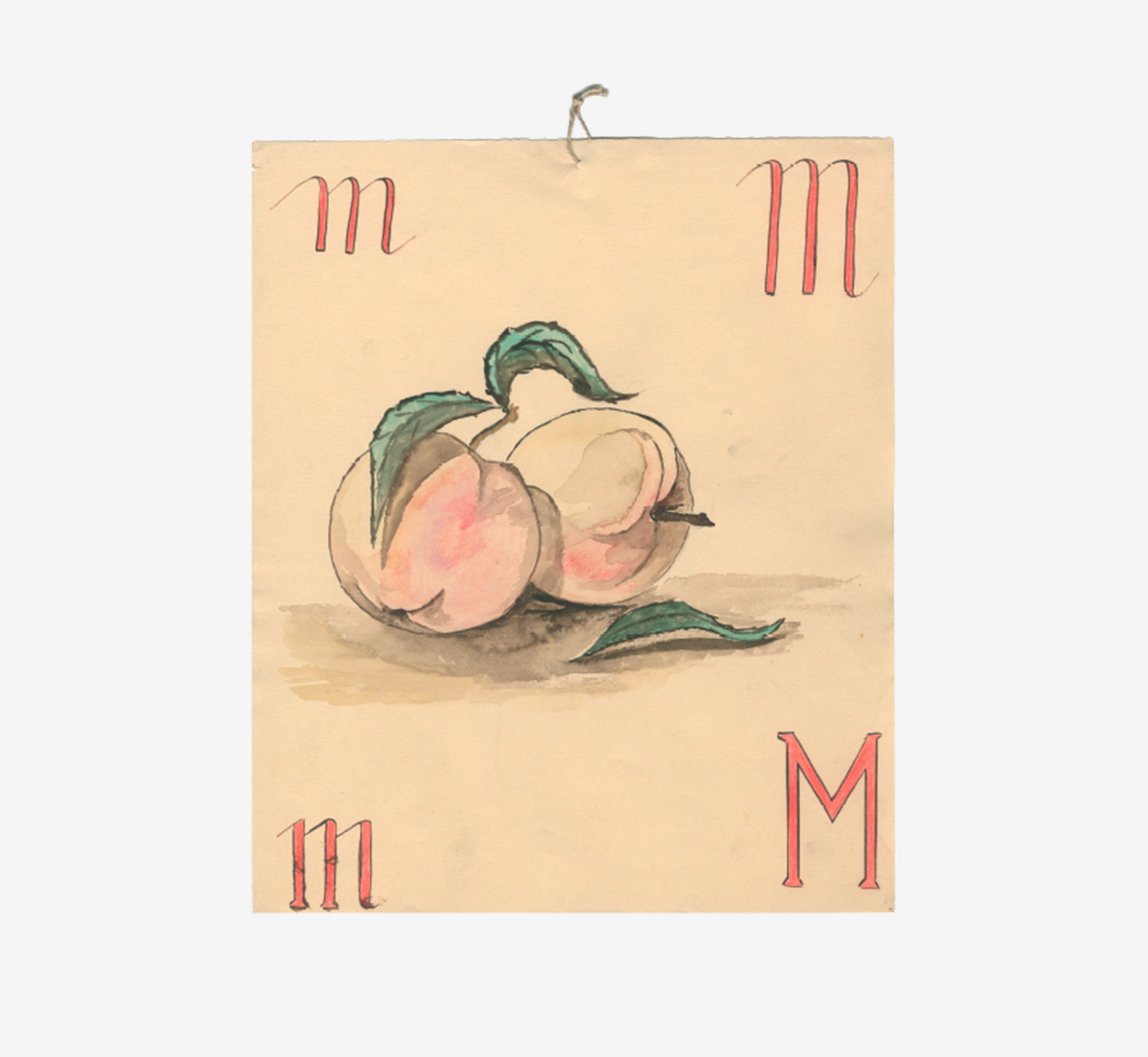

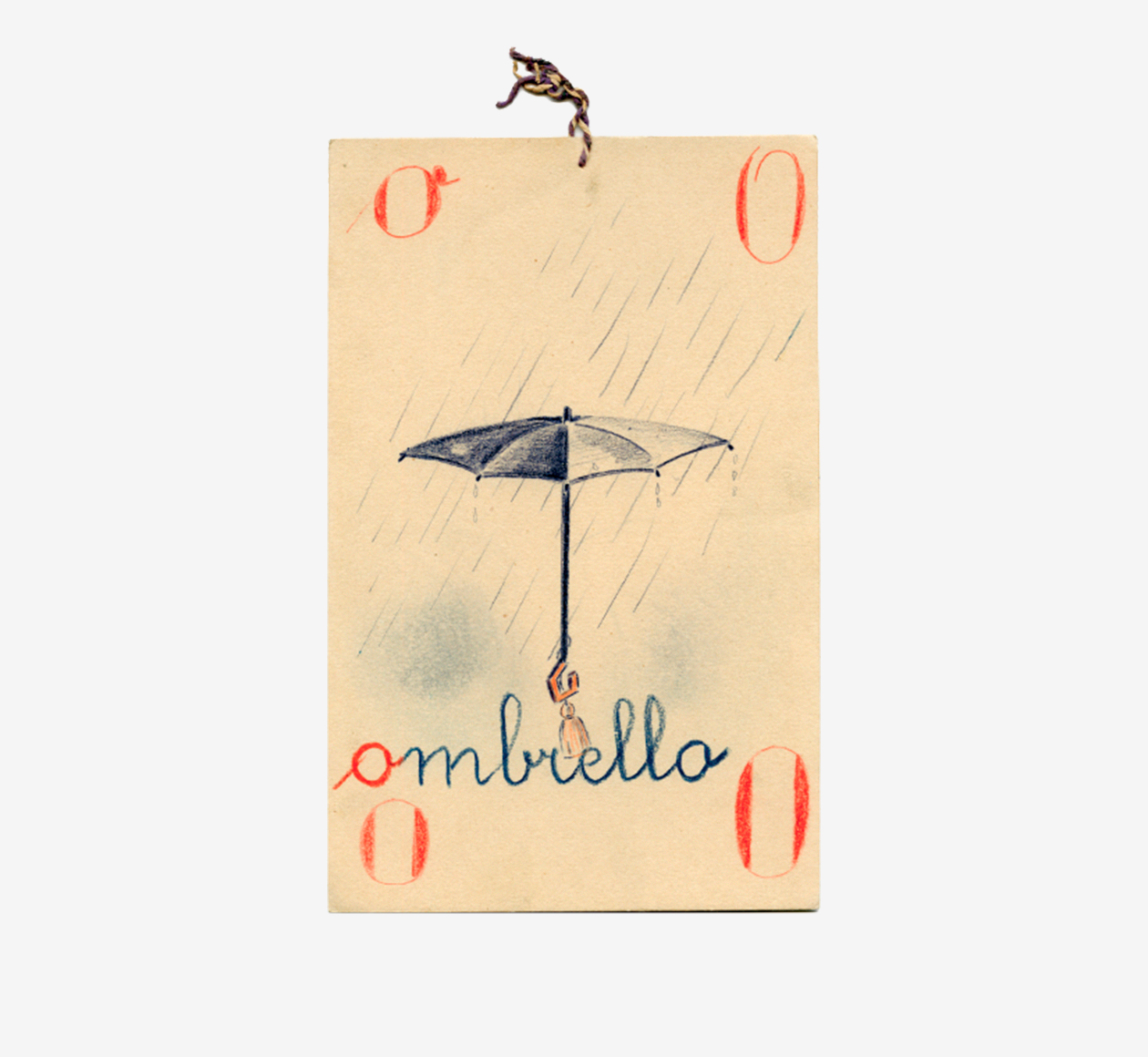
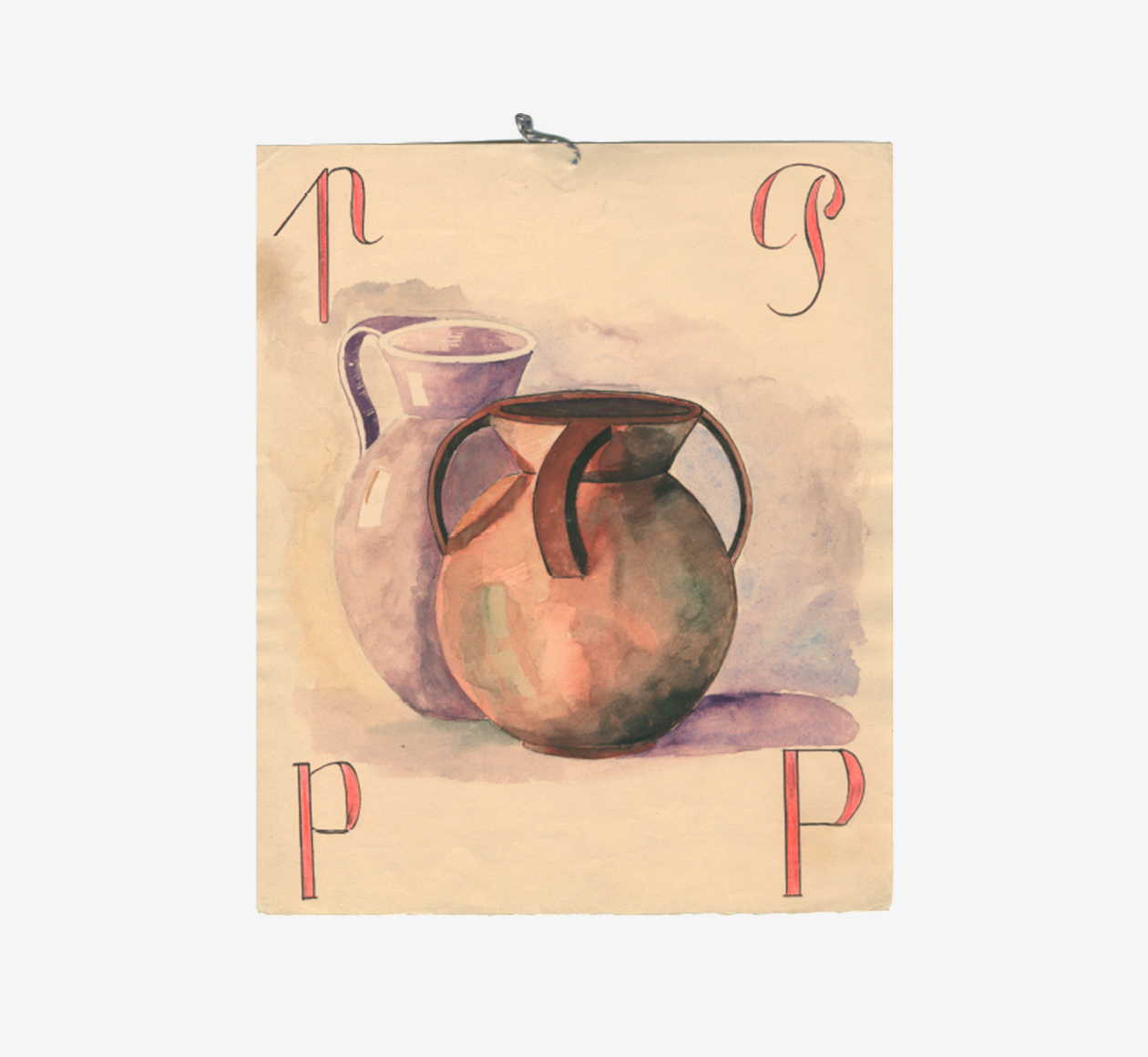


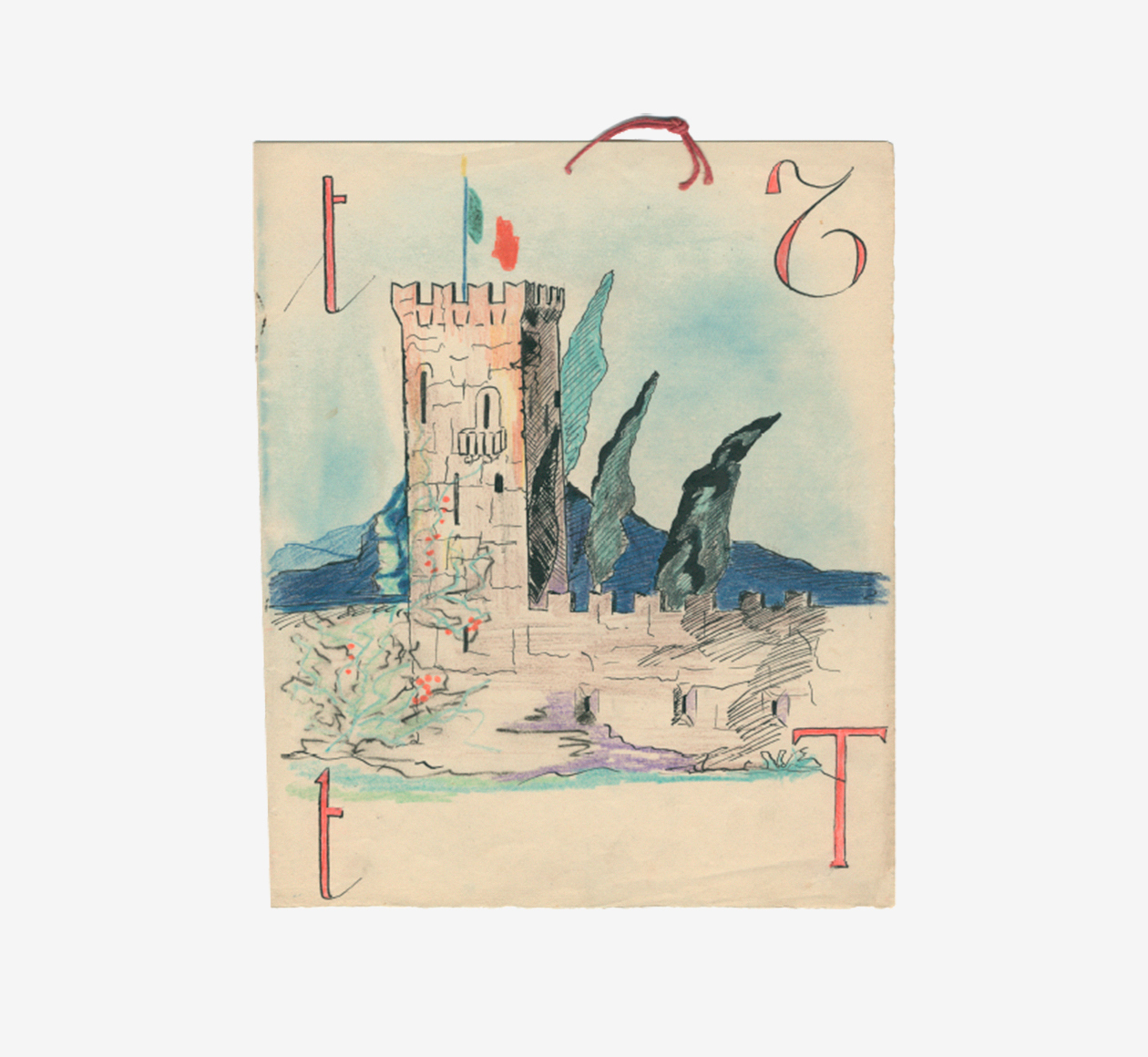
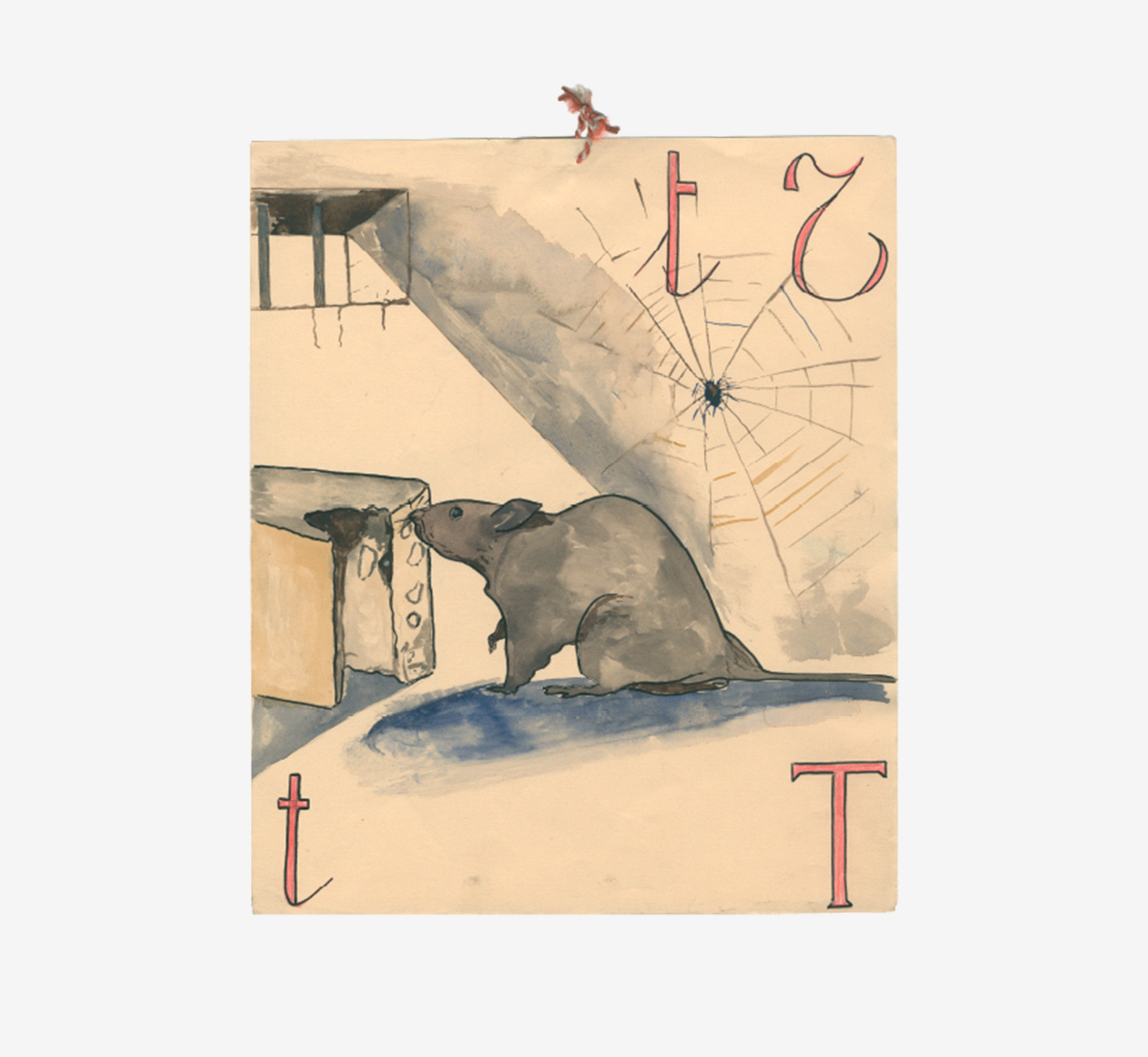


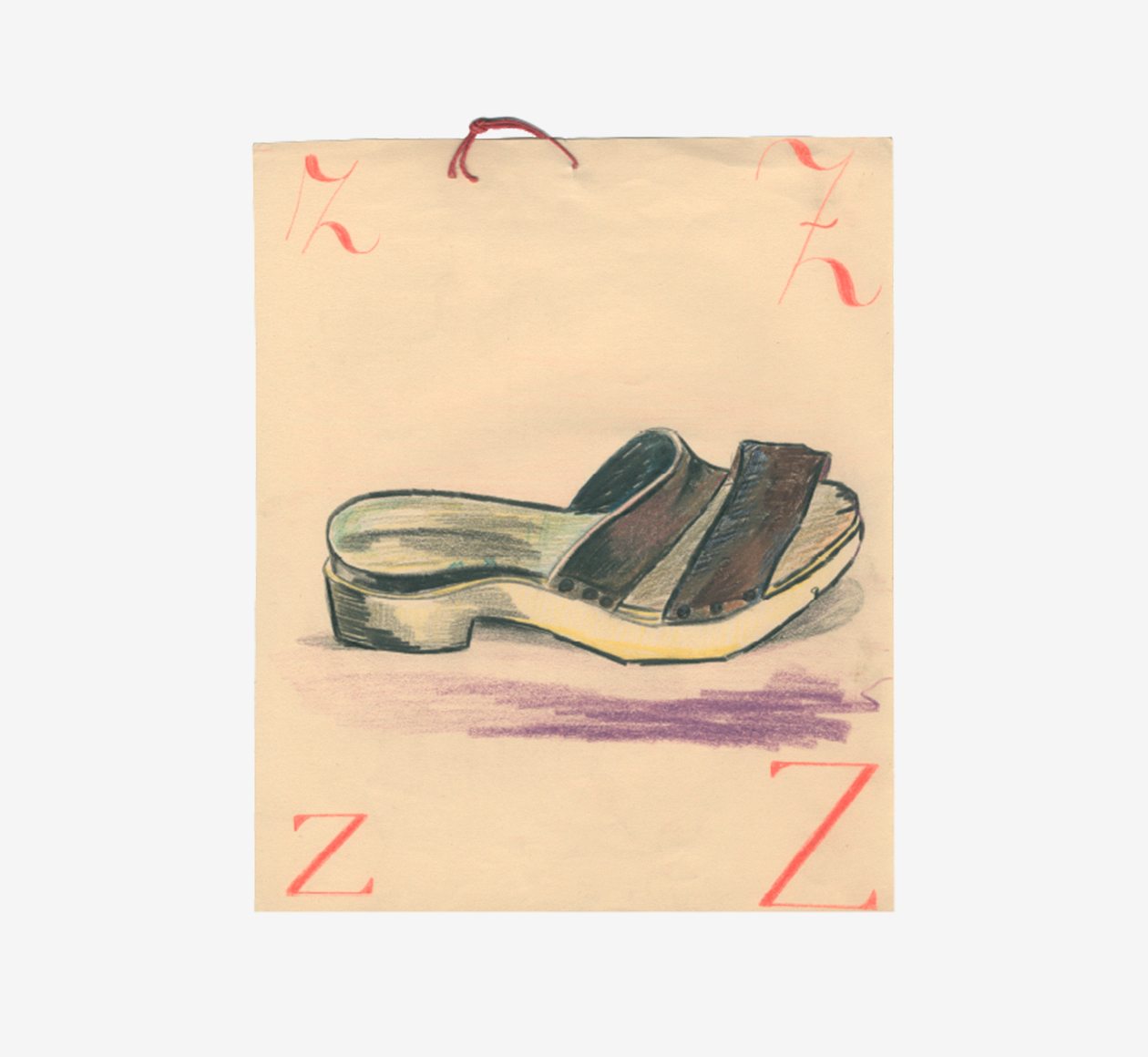
رسومات توضيحية أعدّتها كيارا لزميلتها بييريتا لتدريس الحروف الأبجدية لتلاميذ الصف الأول.
® CHIARA LUBICH

كونيولا – ترينتو، 1943. سيلفيا، المُعلّمة، مع بعض التلاميذ (الّذين يرتدون زيّ الجوقة الموسيقية) في معهد†العمل الساروفي.

المُ علّمة سيلفيا في نُزهةٍ مع تلاميذها.


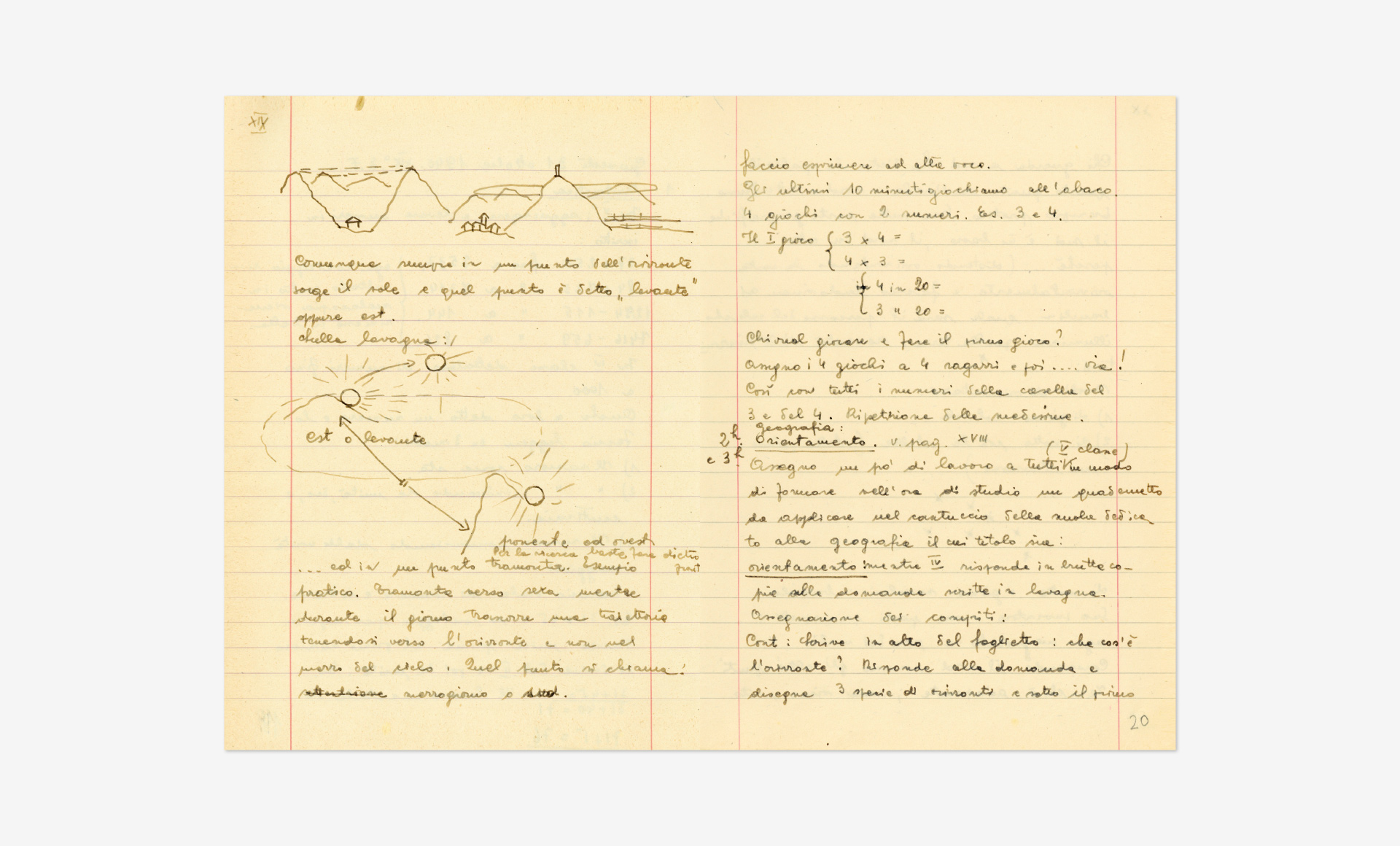
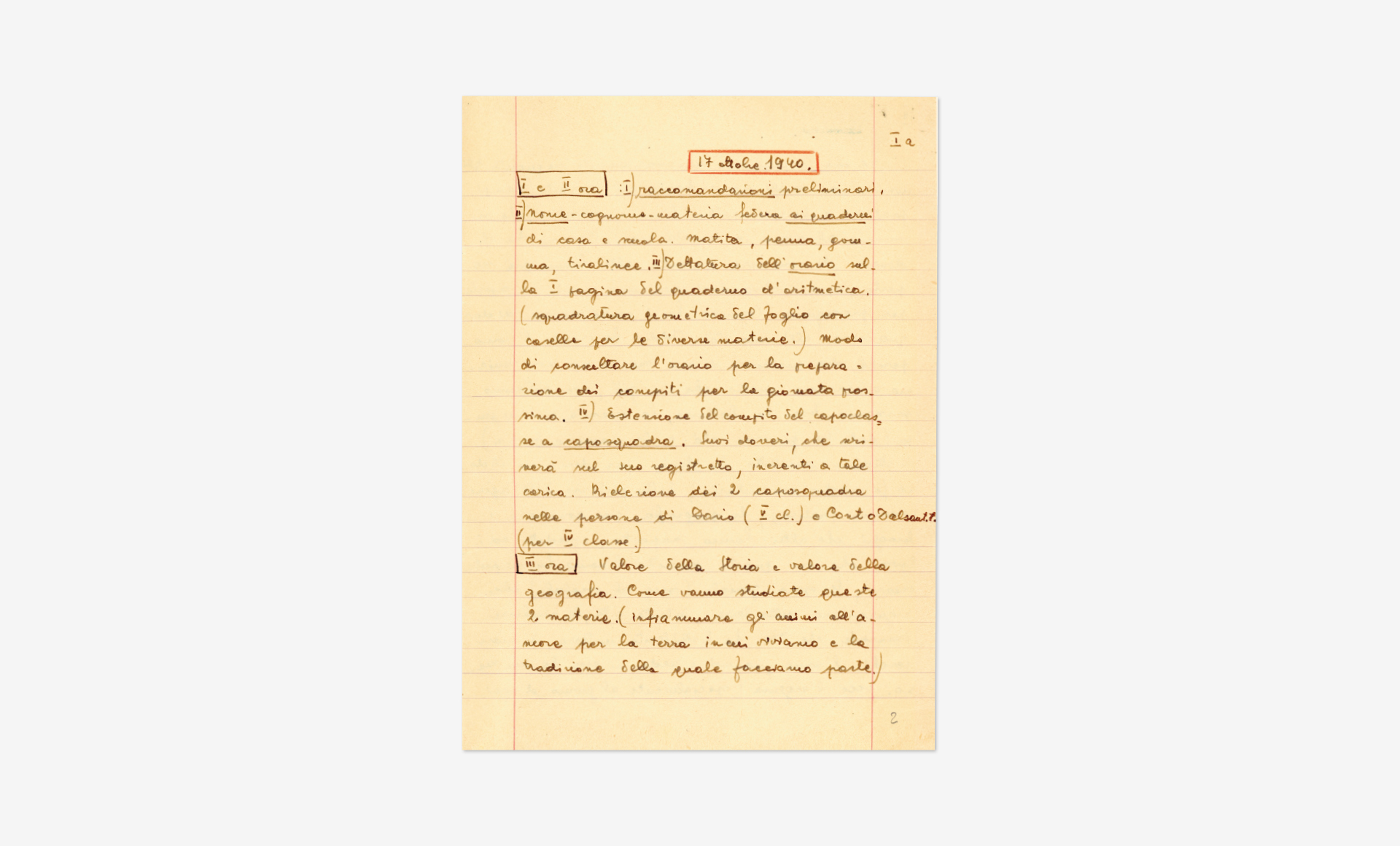
Some pages of the notebook where Silvia wrote her teaching notes. The notebooks provided by the regime, with their illustrations, were also a means of propaganda during fascist times. Here the cover highlights the atmosphere of the time and the importance given to education and to sports.


A cura di:

Fondazione Museo storico del Trentino
Via Torre d'Augusto
41 38122 TRENTO - Italy
cf/p.iva 02050480223

Centro Chiara Lubich
Via della Madonnella, 10
00040 Rocca di Papa (RM)
+39 06 947 98 221

Luogo:
Piazza di Piedicastello, 38122 Trento (TN)
Orario:
Dall'8 marzo al 18 maggio 2020: CHIUSO.
Da martedì a domenica, ore 9.00-18.00.
Chiuso il lunedì, il 25 dicembre e il 1° gennaio.
Aperto durante le altre festività, salvo diversa indicazione.
Ingresso libero.
Informazioni:
Referente: Roberta Tait
tel. +39 0461 230482
info@museostorico.it
rtait@museostorico.it
Tel. 0461 230482
Sab., dom.e festivi: 3283807024